



In particular, Madrid property prices are now averaging over €5,400/m², driven by high-end demand, urban renewal, and a consistent inflow of investment. The Balearic and Canary Islands remain the most expensive regions to buy a second-hand home, with average prices exceeding €4,800/m², due to restricted building land and strong second-home interest from Northern Europe.
In contrast, more affordable areas like Castilla-La Mancha (€960/m²) and Extremadura (€970/m²) have seen stagnant or even falling prices. In Ourense and Badajoz, for example, demand has declined amid population loss and weaker economic growth.
Despite fears of a housing bubble, most experts agree this is not a repeat of 2008. Buyers are more solvent, lending is tighter, and the property market in Spain is responding to real, diversified demand. That said, growth in places like Ibiza or central Madrid may eventually taper off.

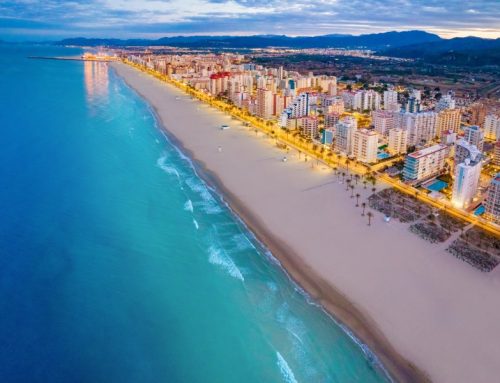
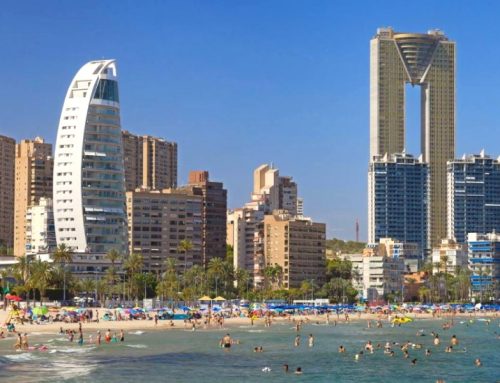
If you’re wondering whether it’s better to buy now or wait, consider that no major correction is forecast for 2025. Analysts predict continued but slower yearly growth of around 4–6% in most areas. For buyers with medium to long-term plans, especially in coastal hotspots like Alicante (€2,450/m²) and Valencia, entering the market now could still be a smart move.
Affordability is a growing concern. While housing prices soar, wages in Spain are not keeping pace, particularly in urban centres. This gap raises questions about sustainability for local buyers.




Compared to other European countries, Spain remains more affordable overall, particularly outside high-demand metros. But top-tier cities and islands are increasingly matching the price tags seen in France, Germany, and the UK.
It’s worth noting that these figures are based on asking prices, not final sale values. Actual transaction prices in Spain are historically a few percent lower than asking prices, due to a culture of price negotiations.
The Spanish housing market in 2025 is very robust and especially in Madrid, the Balearics, and along the Mediterranean coast. If you’re planning to invest, relocate, or retire, the question to ask is by how much prices will be higher next year, and what might stop the continued rise of foreign property demand.