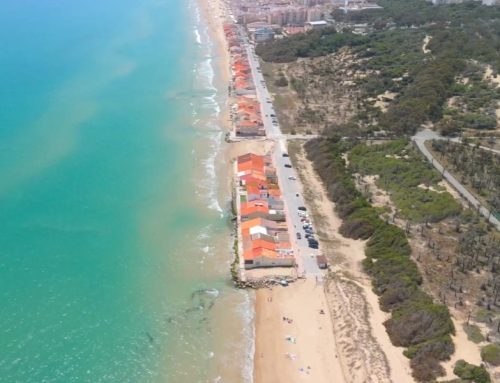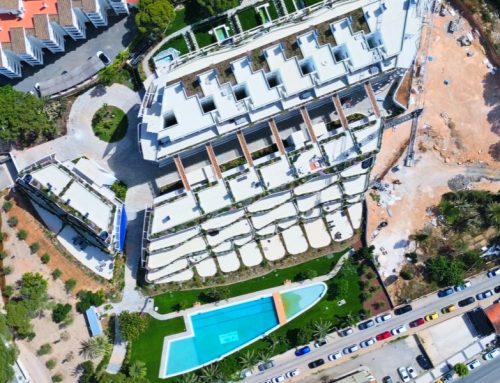




Foreign mortgages are now a crucial part of Spain’s real estate market. Even though they make up only about 3.5 percent of the total mortgage activity nationwide, the impact in coastal regions like the Valencian Community, Andalusia, and Catalonia, is far more visible. Germans favour areas such as the Balearic Islands, Costa Blanca North, and select inland towns that offer tranquillity and higher living standards. British buyers remain strong in Costa del Sol and Costa Blanca South, where established communities and English-speaking services are well-developed.
It’s worth noting that income levels of foreign mortgage applicants continue to outpace Spanish averages by a wide margin. The typical non-resident household shows a monthly income of about €6,550 compared to €3,380 for Spanish buyers. Swiss and American buyers lead the chart with average monthly incomes over €9,000. These nationalities often drive high-value transactions, with loan amounts exceeding €200,000. In contrast, Germans report household incomes near €5,700 but offer larger upfront deposits, to limit their debt burden.

Another shift that has emerged in Spain’s property market is the dominance of fixed-rate mortgages among foreigners. Fixed rates now make up almost 85 percent of all non-resident mortgages. For German, Swiss, British, and American buyers, fixed term mortgages are important as they help reduce exposure to interest rate swings and currency fluctuations. This preference for predictable payments matches the risk-averse strategy often seen among European buyers who move funds into Spain’s property sector.
One question many people ask is whether foreign demand can put pressure on local housing prices. The short answer is yes, and the problem deepens when the Spanish government fails to reinvest tax revenue from real estate transactions into affordable housing for local residents, while allowing large companies (both foreign and domestic) to benefit from lower taxes that encourage further property speculation. There is much concern for young Spanish families and first-time buyers who struggle in these competitive, and often unfair, markets.
New tax proposals from the Spanish government could influence foreign investment decisions in the near future. Plans to raise VAT on tourist rentals and introduce extra taxes on vacant properties aim, in theory, to discourage short-term lets and speculative buying (by privates). However, it remains to be seen if these measures will cool demand or merely shift it to longer-term occupancy models. These measures could even increase speculative buying. Conditions could favour large real estate investment companies whose modus operandi is to purchase multiple units and operate them as ‘hotel apartments’, and therefore bypass new government regulations.




Questions about the mortgage approval process also arise often. Non-resident mortgages in Spain usually come with stricter terms than those for locals. Banks ask for higher deposits, often around 30 to 40 percent, with extensive proof of income, and translated financial statements. Applicants from the UK, the US, and Switzerland also face post-Brexit or non-EU paperwork requirements. Despite these hurdles, approval rates stay high for well-prepared buyers who meet the banks’ income and documentation standards.
Looking ahead, the German lead in Spain’s foreign mortgage market seems likely to persist through 2025 and 2026. Stable incomes, conservative loan amounts, and a clear preference for high-value coastal properties keep Germany’s position strong. Meanwhile, British, Swiss, and American buyers remain key players in foreign demand. For agents, investors, and policymakers alike, it’s important to understand this current trend shift so that you have a better idea of what lies ahead for the Spanish property market.
Keep up to date with real estate news at cbsage.com