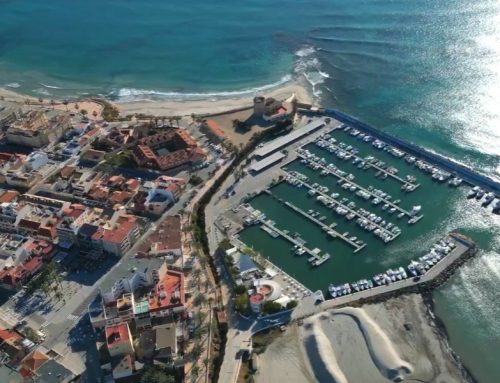





Legally, however, the houses have never been private property. They were built on public maritime land, with concessions to live there granted by the State. The last extension to the concession was given in 1988 with a clear warning that it was non-extendable. When the concession expired in 2018, the Spanish Government refused renewal. They cited erosion studies that showed the houses blocked the movement of sand and water, which accelerated erosion and beach regression. Experts claimed that the houses themselves made the beach disappear even faster. Courts confirmed the decision to not renew the concession, and demolition became the only option presented. For residents, the eviction felt like a betrayal since they had paid taxes, and cared for their homes for almost a century. They sustained a neighbourhood that the State had once encouraged to exist.
Residents also argue that other measures to reduce beach erosion could have been taken. They point to the breakwater built in the 1990s at the Nautical Club of Guardamar, which according to independent studies redirected currents and accelerated erosion of the coastline. They say that the government could have placed groynes, or other protective works, but they instead chose the cheapest option: to demolish the houses and restore the dunes. For many, this solution prioritises cost over heritage, and ignores alternative methods that have already been used with success in other Spanish coastal towns.

What makes the decision more bitter for residents is the perception of unequal treatment. They say that if the government can create social housing for illegal immigrants, then they can at least find even a minimal relocation plan for its own citizens and vulnerable groups. Families who paid property tax, rubbish fees, income taxes, and contributed to the community for decades feel betrayed. They insist that if their concessions have expired, then at least a fair system of compensation or relocation should exist. The Valencian Coastal Law promised such relocation rights, but Valencia has not yet received the permission from Madrid to make this a reality.
This conflict raises many questions. Why is the State willing to destroy a unique historic settlement instead of investing in protective measures? Why should families who followed rules and paid taxes lose everything while other groups are offered state support? Why is Valencia still waiting for the same coastal powers already transferred to Galicia, the Basque Country, Andalusia, and the Balearic Islands?






The Residents’ Association of Guardamar continues to fight. They filed for recognition of the houses as a nucleus of ethnological value, decorated their façades with broken hearts, and launched campaigns like the March of the Sand. On social media, younger neighbours post daily updates to try to raise National awareness. Their message is simple: these houses are not luxury villas or speculative projects. They are part of the town’s history, where families have lived as a community for nearly a century.
Time is short, and the residents homes face the likelihood of demolition. Yet their struggle has opened a national debate. It forces Spain to confront how it balances environmental protection with heritage, and how it treats its own citizens.