



The rent to own scheme has been presented as an answer for those under thirty-five. The idea is to allow young tenants to live in permanently protected housing, and they will then pay the rent for a number of years. Those payments will also be used as an advance towards the eventual purchase price. The government also promises a thirty thousand euro subsidy to be deducted from the cost of the home when the option to buy is exercised. (Exactly how many years people must pay rent is still unknown.) This sounds attractive on paper, however, the stock of rent to own protected housing in Spain is almost non-existent. Last year, there were barely a few dozen permits granted across the entire country. Without new construction of protected homes, and especially in stressed areas, the announcement is essentially a tempest in a teacup, much ado about nothing, all smoke and no fire, lip service, tokenism, window dressing, grandstanding, and political theatre. Sorry, I get carried away.

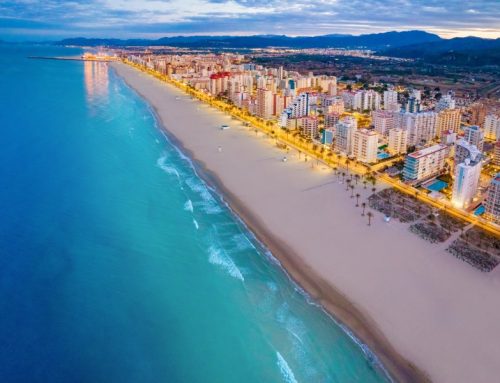
The obvious question that needs to be asked by the youth of Spain, is whether this scheme can ease the crisis in Madrid, Barcelona, Valencia, Málaga, Alicante, or stressed coastal areas. The combination of high demand, speculative buying (sometimes government subsidized), and almost no new construction of social housing has pushed prices well beyond the reach of many locals. The public housing stock in these stressed zones is minuscule. Barcelona manages about ten thousand municipal units for a city of over one and a half million. Madrid has just over twenty thousand units for the entire region. You can place as many bells, whistles, and ribbons on the new scheme as you like, but it cannot change this critical deficit. Unless the government or the autonomous communities commit to building large numbers of protected homes in stressed areas, the thirty thousand euro subsidy schemes are like spitting on a forest fire.




The scale of the housing problem versus the potential impact of this scheme is concerning. Spain would need to build well over one hundred thousand new social homes per year (in stressed and not rural areas) to not only approach the EU average, but to also make any significant impact on the problem. In recent years, it has produced just fraction of that number. This is why so many observers describe these announcements as merely lip service and political theatre. The Spanish government seems more concerned with creating fanfare and headlines, while they do little to tackle the shortage of affordable homes in the places where demand is greatest.