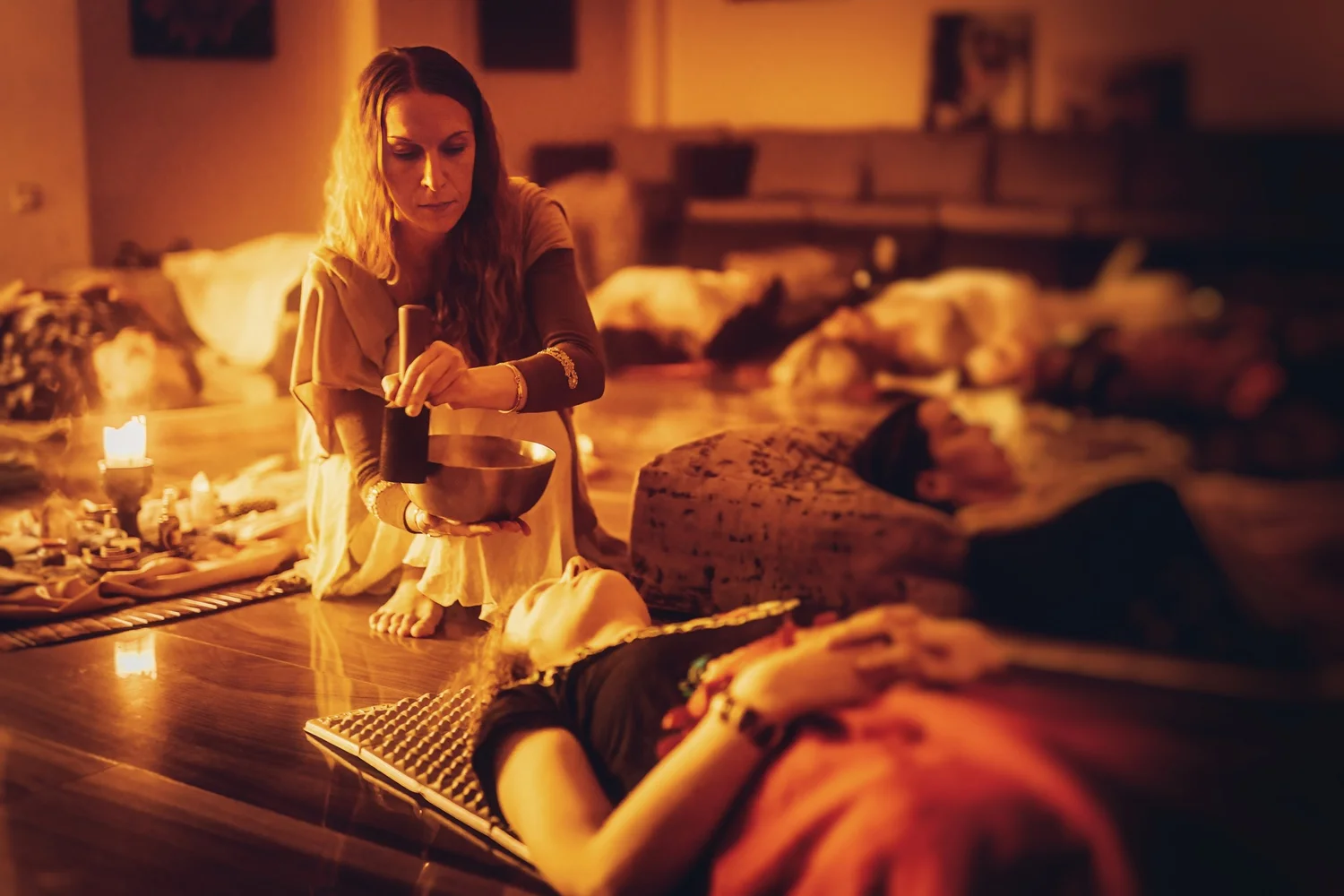
Why do OMMIJ and similar centres appeal so strongly to so many people? It seems to be about what ayahuasca represents. Unlike recreational drugs, ayahuasca is not taken for temporary amusement. It tastes unpleasant, provokes purging, and brings intense visions that can be both illuminating and challenging. People seek it not to escape life, but to confront it. Many of the participants mentioned how they were able to release trauma, overcome depression, find relief from patterns of addiction, gain clarity in relationships, feel a deeper connection with nature, and gain a renewed sense of spiritual purpose. Some recount physical benefits like better sleep, or releasing stress. Research in recent years has begun to support some of these claims, although results vary and more study is needed.
In the Amazon, ayahuasca is part of ancient tradition. Indigenous groups use it in healing rituals, and to seek guidance from the spirit world. It is treated as a sacred medicine, not as entertainment. San Pedro cactus and Kambo frog secretion share similar cultural roles in other parts of South America, and are used with reverence and care. For the many who attend retreats in Europe, the ceremonies are an attempt to connect with those traditions and to experience a deeper sense of purpose.
The law in most of Europe, however, views these plants in a very different way. Ayahuasca contains DMT, a substance classified as illegal under international treaties and EU law. San Pedro contains mescaline, which is also prohibited. Harmal seeds used in the brew act as MAO inhibitors that intensify the effect, and these also fall into a restricted category. (MAO inhibitors? Normally, if you had to ingest DMT orally, the body’s monoamine oxidase (MAO) enzymes in the stomach and liver would break it down immediately, and prevent the psychoactive effects.) The authorities, however, do not care that the plants are natural or that they are used in a spiritual context. What matters to them is the presence of compounds that are on the list of controlled substances.
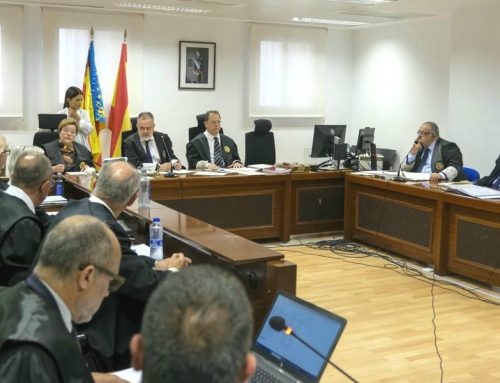
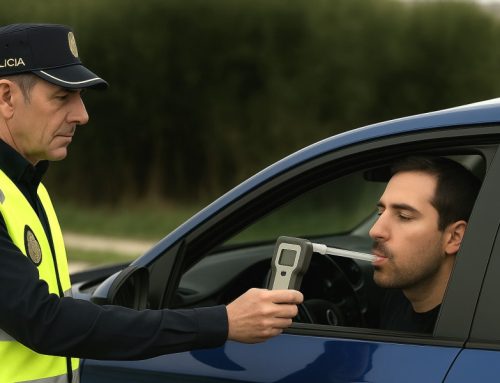
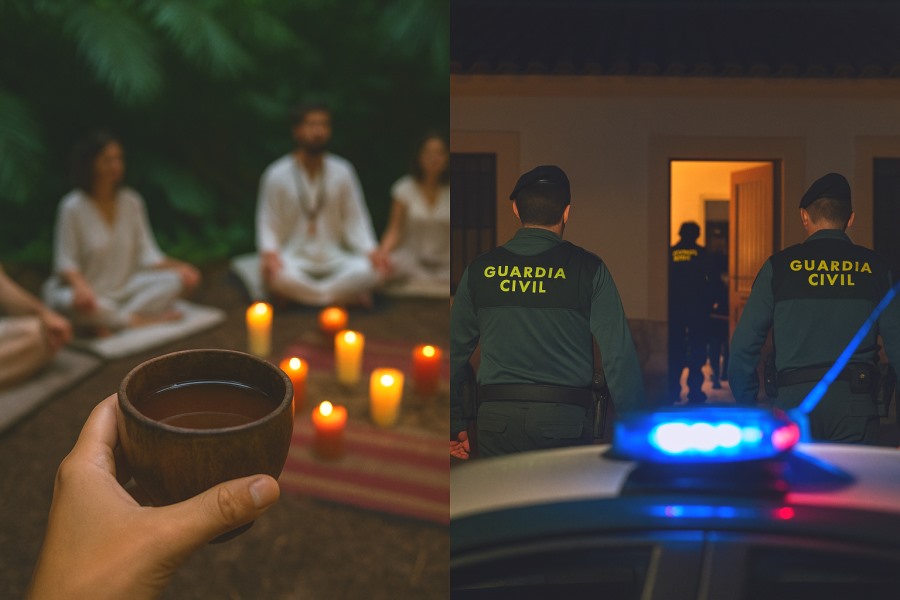
This is why the Guardia Civil moved against OMMIJ. They seized large amounts of ayahuasca, San Pedro, harmal seeds and Kambo, along with other substances. The group was accused of being drug traffickers, and a danger to public health. They were also accused of money laundering and operating as a criminal organisation. Bank accounts have been frozen, operations shut down in Spain and the Netherlands, and several of the organisers were detained. In legal language, officials have described OMMIJ as a “cult of ayahuasca,”. This label has been repeated by the Spanish media, which highlights the sense of social alarm.
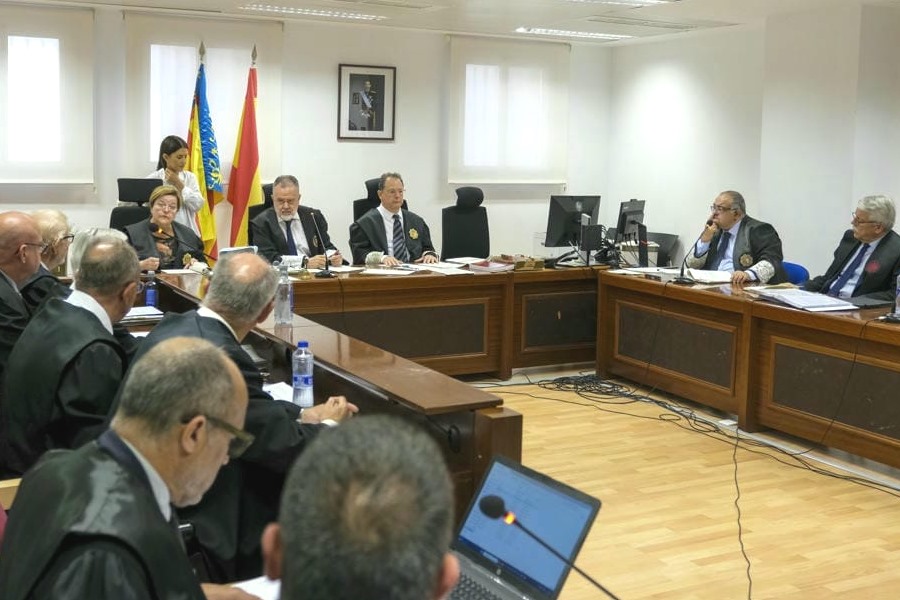
Supporters of OMMIJ and the wider ayahuasca community reject that term. For them, they are not cult, but practice ceremonies rooted in indigenous culture, to help people with personal transformation. The Ayahuasca Defence Team of ICEERS (International Center for Ethnobotanical Education, Research and Service), supported by multiple lawyers, has stepped in to defend OMMIJ. They argue that the group’s work was not criminal but spiritual. The courts will ultimately decide, and the outcome will be extremely important to the many small circles and centres throughout Europe, which face similar legal uncertainty.

Should governments respect spiritual freedom even if it collides with drug laws? In Brazil and Peru, ayahuasca is recognised as cultural heritage and protected as a sacrament. In the United States two churches have won legal exemptions to use it. In Europe, however, most countries follow a strict interpretation of drug control treaties. Portugal has decriminalised the possession of small amounts, but commercial retreats with larger amounts are vulnerable to prosecution. The Netherlands has oscillated between tolerance and prohibition. Spain has shown little inclination to make any exception.
Retreat centres argue that they do their utmost to ensure safety. Facilitators require health questionnaires from the participants, medical disclosures, and even cessation of certain medications in advance. Many employ trained guides who stay with participants throughout the night. Integration support after the ceremony is often part of the package, where they help people to bring insights into daily life. Yet even with precautions, there are risks. Psychological crises can occur, physical complications are possible, and unregulated operators can put people in danger.
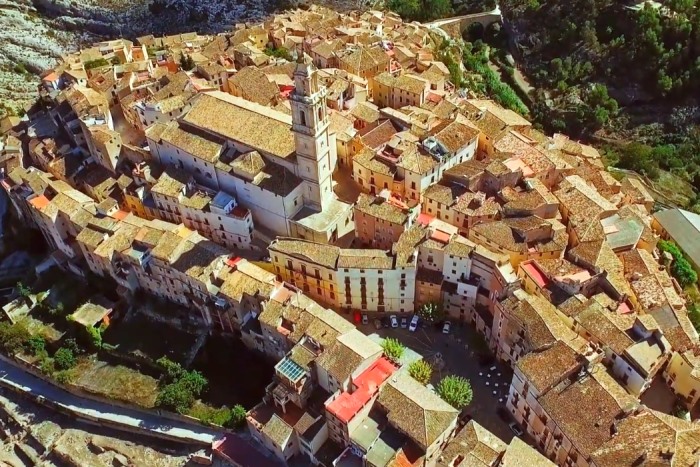
This recent dismantling of OMMIJ in Pedreguer raises important and difficult questions. On one hand, the law is clear: DMT and mescaline are illegal. On the other hand, the demand for these experiences is undeniable. This is clearly demonstrated by the thousands of participants who have given overwhelmingly positive reviews. For those who felt healed, the ceremonies were medicine, not recreational drug getaways. For the Guardia Civil, they are viewed as an organised network that distributes dangerous substances.
Whether OMMIJ and centres like them are considered cults, sanctuaries, or criminal enterprises will depend on the outcome of these legal proceedings, But way more important, is how society sees them, and how they choose to define them. What is certain is that this story will give visibility to an important topic. What are your thoughts?