

The controversy began when the PP submitted a formal complaint in March 2024 to the OCI, and argued that Sánchez had a duty to abstain from discussions or decisions related to the bailout of Air Europa. The party alleged that his wife, Begoña Gómez, had ties to companies linked to the airline, and that these ties warranted closer scrutiny. However, the OCI dismissed the complaint, only 4 days later, and stated that Gómez held no official employment or advisory role with Air Europa or any related entities, and thus the legal threshold for a conflict of interest had not been met.
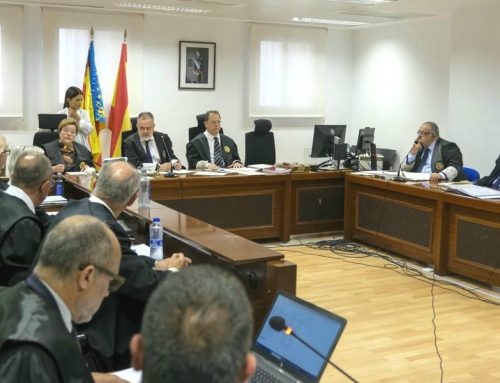
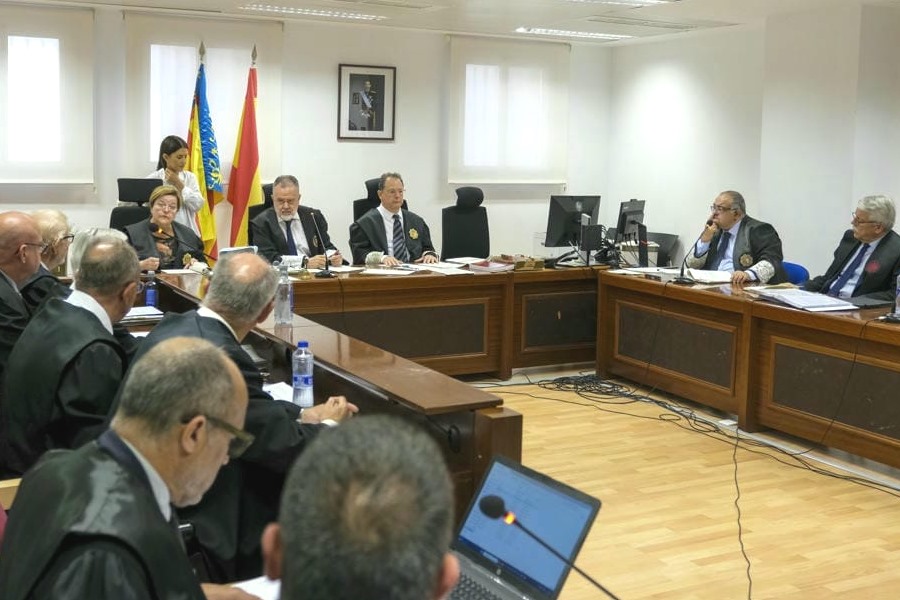
The PP appealed this decision to the TSJM, which reviewed both the substance of the case and the procedures followed by the OCI. The court found that the OCI had not carried out a proper investigation, and that it had only issued a written report but failed to take meaningful investigative steps. The TSJM concluded that the PP did, in fact, have the legal standing to file the complaint and that the allegations merited a thorough examination. As a result, the court overturned the OCI’s dismissal of the case and ordered it to proceed with a formal investigation.

According to the PP, Begoña Gómez had participated in business activities involving entities that either directly or indirectly benefited from public contracts or subsidies, including some with ties to Air Europa. In particular, the party referenced documents and communications suggesting that Gómez had promoted certain private sector initiatives through academic partnerships and public-private collaborations. These initiatives reportedly received funds around the same time the Spanish government approved the Air Europa bailout.
While no formal accusations have been made against Gómez herself, her activities form a central part of the investigation. Media outlets have published reports that detail her involvement with think tanks and academic programs tied to companies receiving state aid. These revelations have added weight to the PP’s original claim that Sánchez had a personal interest in the outcome of decisions taken by the Council of Ministers, particularly the approval of the bailout.



Under Spanish law, public officials must recuse themselves from any decision in which a personal or family interest could affect their impartiality. The case now hinges on whether the financial relationships of Gómez meet that legal standard. If the OCI concludes that Sánchez should have stepped aside, this could lead to significant political consequences. Even if the case is solely administrative in nature, such a finding could trigger parliamentary scrutiny, damage public trust, and even open the door to further legal action if evidence of misuse of public funds emerges.
So far, Pedro Sánchez has not publicly responded to the TSJM ruling. In earlier statements, he rejected the accusations as politically motivated and without merit. However, with the OCI now compelled to reopen the case and conduct a full inquiry, the matter has taken a new legal and political direction. As media investigations continue, the question of accountability and transparency of all political parties, left, right, and centre, remains the focal point of Spain’s (and Europe’s) political debate.