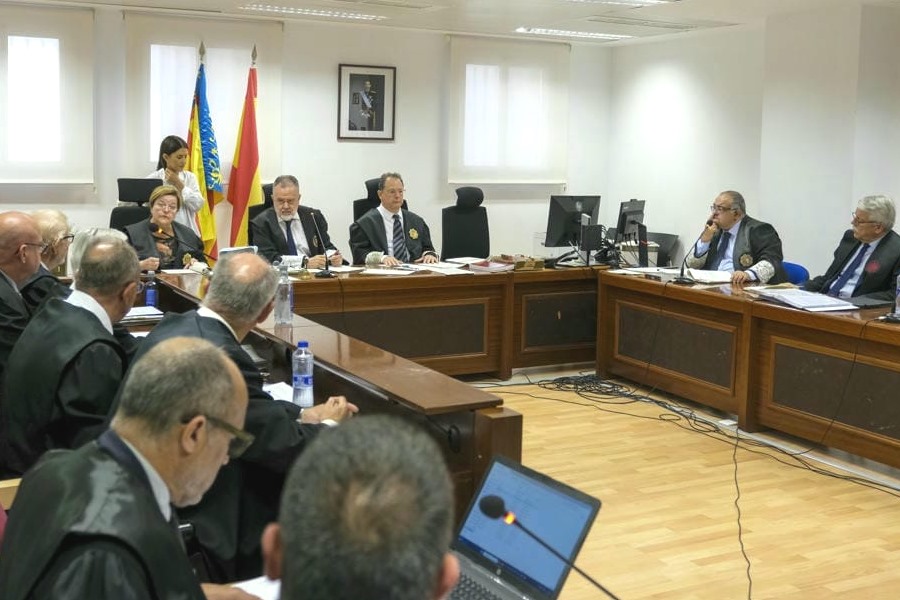


The High Court of Justice of Madrid has already backed the Ministry’s position on part of the order, mandating the removal of an initial 5.800 listings. Nonetheless, Airbnb has pushed back, and claims the Ministry’s approach is overly broad and fails to distinguish between the different types of rentals. The company insists that many of the flagged properties likely do not require a licence number. They may be seasonal or medium-term rentals. Airbnb warns that the government is misinterpreting the legal framework.
A key issue in this stand-off is whether Airbnb is legally obligated to monitor or remove listings without registration numbers. According to Airbnb, the platform operates as a neutral intermediary, and is not a provider of accommodation. This interpretation is backed by a 2022 ruling from the Spanish Supreme Court, which confirmed that Airbnb is not directly responsible for verifying every listing’s legal status. The court emphasized that the burden of compliance falls primarily on hosts.
Airbnb also cites the EU Digital Services Act (DSA), which classifies the platform as an “intermediary service.” Under this law, platforms are not required to proactively monitor content unless notified of a specific violation. Airbnb argues that it complies with these obligations and that Spain’s enforcement actions contradict both EU and national legal standards.

For Airbnb hosts in Spain, this crackdown may be their first wake-up call. To legally advertise a tourist property, hosts must:
– Register with the regional tourism authority.
– Obtain and display a valid tourist licence number.
– Clearly identify whether they are a professional or private individual.
– Comply with regional housing laws, including safety, capacity, and insurance requirements.
Failing to meet these conditions (especially in regions like Catalonia, Andalusia, Valencia, and the Balearic Islands) can result in heavy fines.
Guests are not typically held liable for staying in an unlicensed Airbnb. However, they may encounter inconveniences. They could be evicted if a property is shut down, or lose access to consumer protections. It’s advisable to check listings for registration numbers and reviews for any red flags.



The consequences of this Government crackdown could be severe. If tens of thousands of listings are permanently removed, it could significantly reduce the supply of holiday rentals in Spain, especially in high-demand areas. Less product, greater demand, and stricter compliance all point to one thing: visitors will pay higher prices for accommodation.
It could also push some activity toward unregulated platforms or informal channels, creating enforcement challenges.
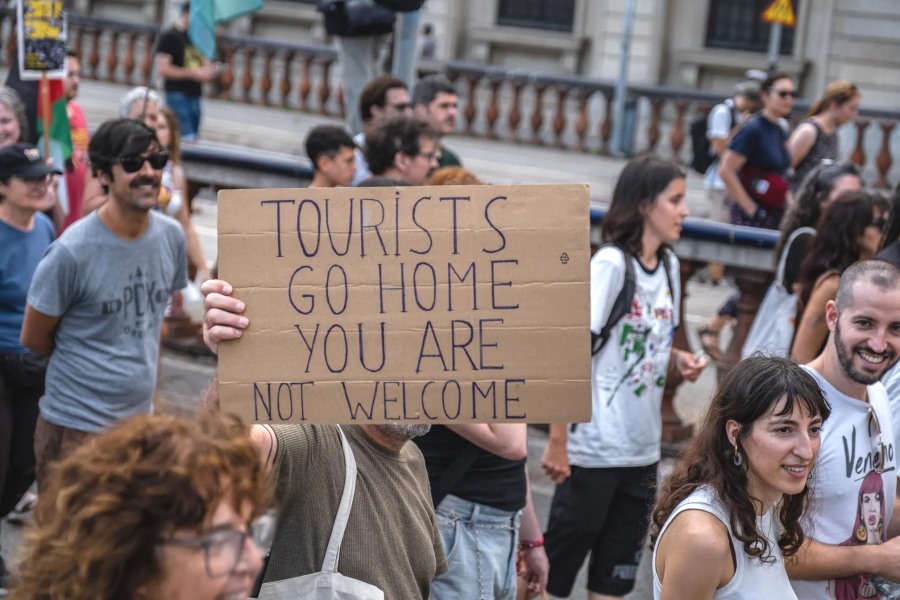
Spain’s actions are not unique. Across Europe, major cities like Paris, Berlin, Amsterdam, and Lisbon are implementing stricter holiday rental laws to combat housing shortages. The Spanish case is part of a growing EU trend to regulate short-term rentals and balance tourism with residents’ needs.
Hosts, guests, and investors alike are all watching the showdown between Airbnb and the Spanish Government closely. One thing is certain, the era of lightly regulated holiday rentals in Spain is almost at an end. For those involved in the short-term rental market, you can keep up to date with the latest news at CBSage.com.
What are your thoughts on the new holiday rental laws in Spain?