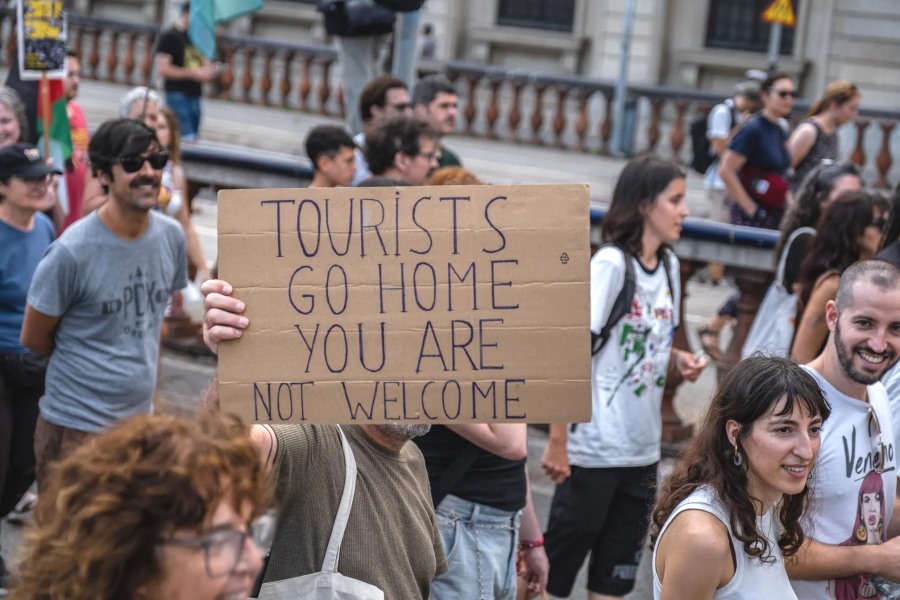



But the implications go far beyond political symbolism.
If the proposal passes Parliament, property owners will face significant administrative and financial burdens. Even non-resident owners will be required to:
– Register for VAT with the Spanish tax authority (Hacienda),
– Charge 21% VAT to all guests,
– File quarterly VAT returns,
– Possibly register as self-employed (autónomo) or as a business entity,
– Maintain proper accounting and receipts for all income and deductible expenses.
For small-scale owners who only rent a few weeks a year, these requirements may prove so complex that they may exit the holiday rental market altogether.
There are also broader consequences for holiday rental platforms. Airbnb and Booking.com may be required to enforce VAT registration compliance, update fee structures, or even restrict listings from non-compliant hosts. In some cases, platforms could be required to withhold VAT at the point of booking, which would shift liability from the owner to the platform.
Would this mean more expensive holidays for tourists in Spain?
Rental owners will need to adjust their prices to maintain margins, and therefore nightly rates would rise sharply. This is especially the case in popular coastal areas like the Costa Blanca, Costa del Sol, and Balearic Islands, where demand is already high. Combine this with current regional tourist taxes, and visitors could pay 25–30% more for their holiday accommodation.

Big Hospitality Wins Again? Allegations of Hotel Lobby Influence Surface
The decision to impose a 21% VAT on tourist rentals, plus the new Vacation rental laws, have raised eyebrows among those who suspect powerful hotel lobbies may have something to do with how policy is being shaped in Spain. Industry insiders and independent rental associations point to a strong alignment between PSOE’s housing agenda and the commercial interests of Spain’s large hospitality groups.
Major hotel chains, who have faced years of competition from platforms like Airbnb, have long lobbied for tighter regulations on short-term rentals. With this proposed tax hike, those same hotels are poised to regain price competitiveness, especially in urban centres and popular coastal destinations.
Critics argue this isn’t about fairness or solving the housing crisis — it’s about the removal of competition. When you increase the financial and bureaucratic burden on small-scale property owners, while at the same time shield large hotels with lower VAT and institutional support, the Spanish government (either inadvertently or deliberately) favours large corporations over individual entrepreneurship.
Javier Peñate, Legal Advisor to a Holiday Homeowners Association in the Canary Islands, says “The sole objective is to put an end to these activities and leave tourism in the hands of hoteliers.“
Juan Cubo, President of the Andalusian Tourist Housing Association (AVVA-Pro) comments “A commitment to sustainable tourism must include conditions that do not penalise those who comply with the regulations and contribute to the economic and social development of our community.“
While the Ministry of Housing maintains that the move is about tax equality and affordability, many in the rental sector view it as a targeted strike that benefits those who already dominate the tourism industry. It raises concerns about market manipulation, and the erosion of property rights for small owners.




As the debate intensifies, many now ask: Who really stands to gain from this proposed 21% VAT? And whose are the voices that actually shape Spain’s housing laws behind closed doors?
The law is still a proposed measure, and not yet approved, although the PSOE aims to push it through by mid-June 2025. Until it is passed, there is no legal obligation to apply the 21% VAT, but owners should prepare now by consulting with tax advisors and monitoring updates from Hacienda and their regional governments.
What’s clear is that this proposal marks another major escalation in Spain’s regulation of the short-term rental market.