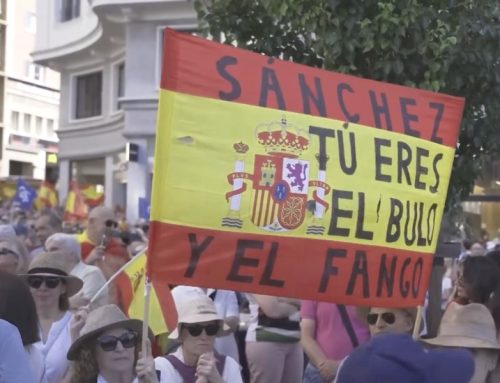
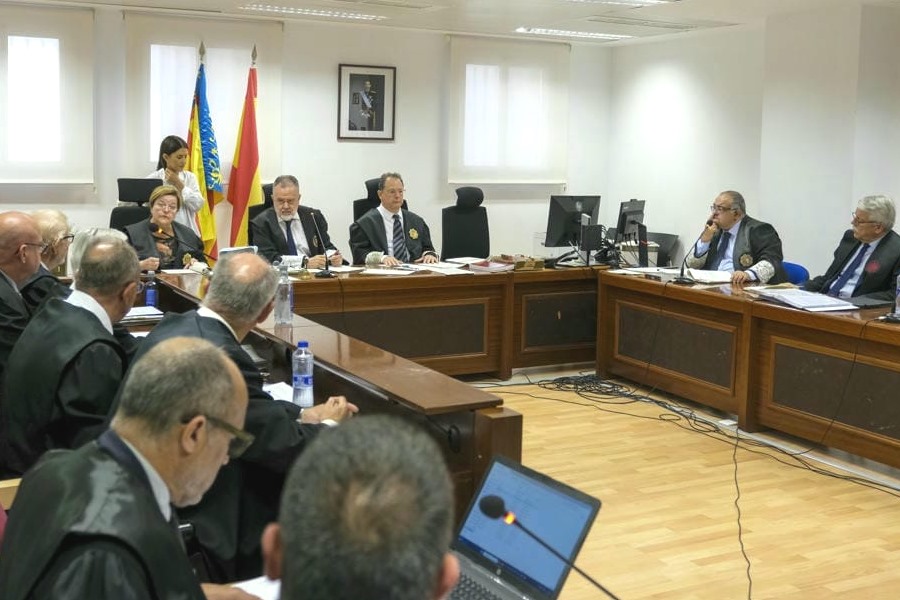


Former cyclist Pedro Delgado accused the president of supporting violent demonstrations and reminded viewers that governments led by Sánchez had approved arms sales while claiming sympathy with Palestine. Delgado called the outcome a disgrace for Spanish sport and said the world saw a country unable to safeguard one of its great events. Delgado’s remarks are cutting because they came not from politicians but from a highly respected figure inside the cycling community.
The broader issue is whether politics belongs in sport. History shows that the two are seldom separated. The Black Power salute in Mexico City, the Olympic boycotts during the Cold War, athletes in the NFL taking a knee, Russian exclusion from competitions over doping and war, Catalan independence banners at Barcelona matches, etc. These all show that sport is often used, and abused for political conscience and game play. Yet a difference exists between athletes who choose to use their own platform, versus protesters who hijack an event by force. When riders who train and sacrifice for decades cannot cross the finish line because of barricades, they become pawns in a conflict they did not create.

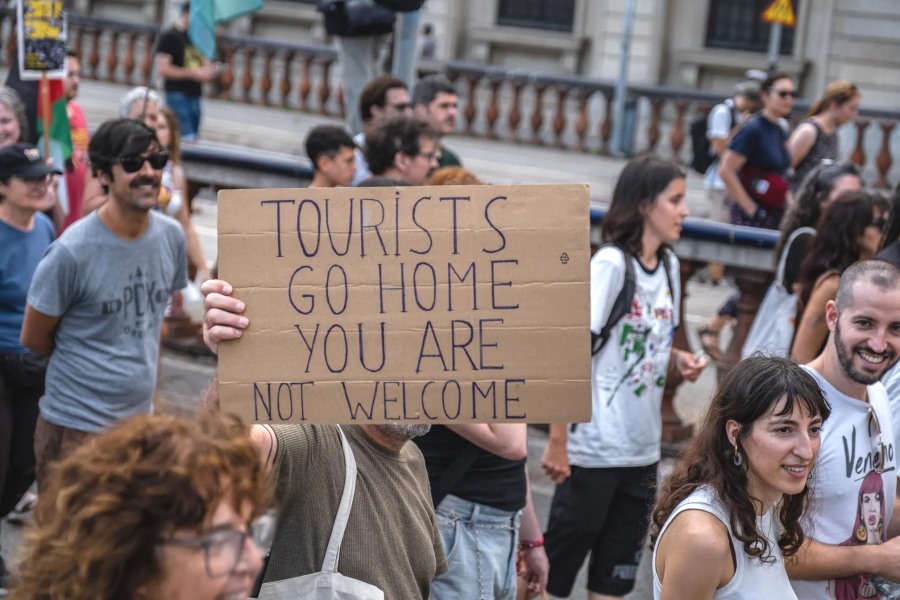
Responsible protest does not mean silence. It is possible to raise banners, chant slogans, coordinate symbolic gestures, and gain attention without the need to prevent a competition from finishing. To allow athletes to express their views can also be powerful, as they carry influence and credibility without punishing fellow competitors. The line between legitimate free expression and unlawful disruption lies in the impact on safety and the ability of the event to continue. Once protesters block a course, or endanger participants, then is that line not crossed?
Could Spain have handled the protests better? With more decisive policing of routes and designated spaces for demonstrations, freedom of expression could have been respected while the race proceeded. By failing to guarantee order and safety, the authorities risk not only embarrassment but also future sanctions. Sports federations have the right to protect their competitions. If a host nation cannot assure security, governing bodies may consider removing events or impose penalties.

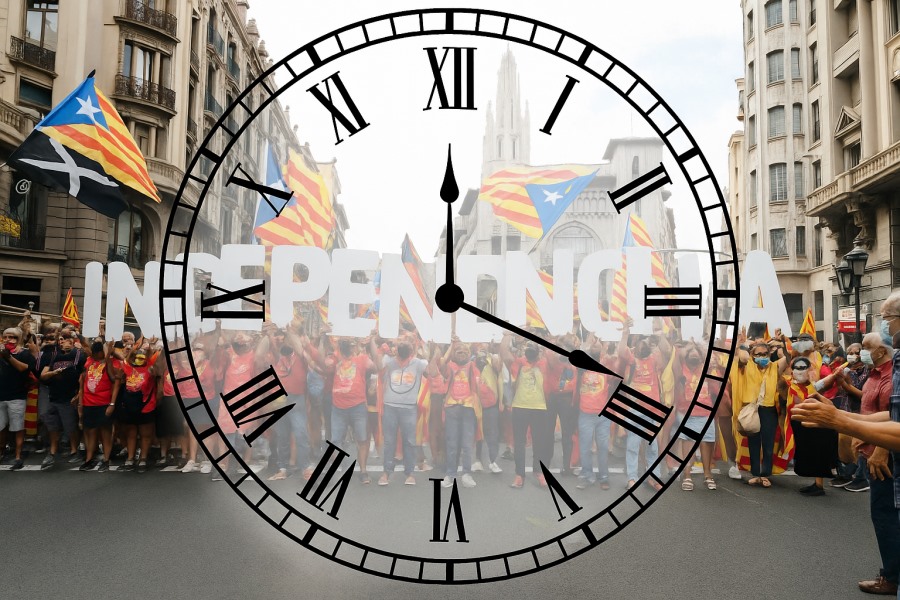


Another key question is whether the praise of disruptive protests undermines respect for the rule of law. Leaders who applaud actions that involve trespassing and obstruction send a dangerous message that laws are optional. Once the public perceives selective enforcement, trust in the same institutions weakens. Sympathy for a cause does not justify undermining the framework that protects both rights and responsibilities.
The episode leaves Spain facing difficult truths. The government wants to stand as a defender of Palestine yet cannot erase its record of exporting weapons to Israel. Athletes want to inspire through sport yet find themselves trapped between political hypocrisy and protests. Fans want to celebrate, but instead watch their heroes sidelined. La Vuelta 2025 exposed contradictions at every level.
If there is a lesson, it is that protest can be effective without being destructive. Athletes should be encouraged to speak, citizens should have the right to demonstrate, and governments should act with consistency between words and deeds. When those principles are ignored, sport suffers, fans are denied, politics loses credibility, and the public sees only hypocrisy.