

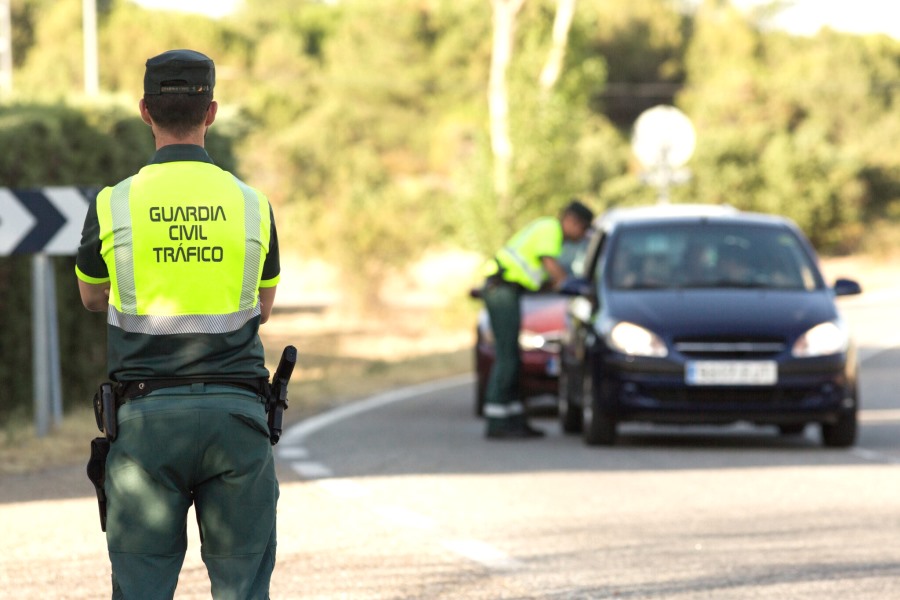
When Will The New drink Driving Law Take Effect?
While no exact date has been announced, the new law is expected to come into force later in 2025, pending updates to the General Traffic Regulations and approval by Royal Decree. The DGT has stated it aims to enforce the law “as soon as possible.”
How Much Can I Drink?
With the new 0.2 g/l alcohol limit, even a small beer or glass of wine could push a driver over the legal threshold. This makes it nearly impossible to safely drink and drive under the new law. The most cautious and compliant approach? Don’t drink at all if you plan to drive in Spain.
What Are the Penalties for Breaking the New Limit?
- 0.2–0.5 g/l in blood: €200 fine and 2 points off your licence
- >0.5–1.2 g/l: €1,000 fine and 6 points lost
- >1.2 g/l: Treated as a criminal offence, leading to possible jail time, community service, and loss of licence for up to 4 years
- Refusing a breathalyser test: Up to €2,000 fine and possible imprisonment
Even a first-time offence can result in the temporary loss of one’s licence if the BAC is high enough.
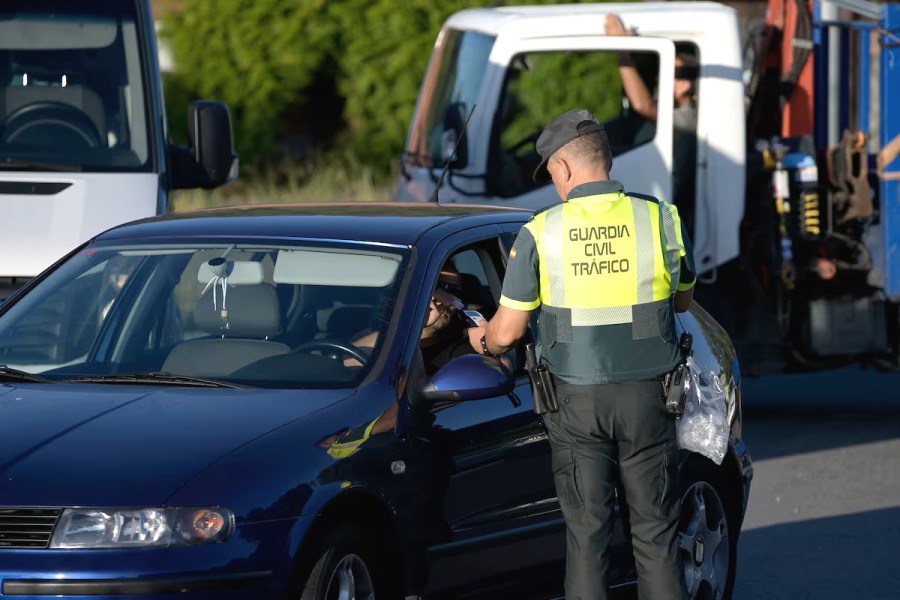
Do Driving Licence Points Renew in Spain?
If you commit no serious offences for 2 years, your points are restored to the maximum 12 (or 3 years if the offence was very serious). Additionally, safe drivers can earn up to 15 points if you drive clean for 6 years. You can also recover points by attending DGT-authorized driving awareness courses every 2 years (or annually for professional drivers).
Will Breathalyzer Tests Become More Frequent in Spain?
With tighter laws, roadside tests will most likely become more frequent. Police are expected to focus on high-risk times like weekends and holidays, with a broader use of random breathalyzer checkpoints.
Do These Changes Affect Tourists?
The law applies to everyone on Spanish roads, and includes foreign nationals in rental vehicles. Tourists risk the same fines and licence bans as residents, and offences may be reported to authorities in your home country.
Is It Legal to Use Warning Apps Like SocialDrive or Waze?
Yes, for now. Popular apps like SocialDrive, Waze, and Radarbot are widely used in Spain to share real-time information on police checkpoints, speed cameras, and traffic incidents. These apps operate in a legal grey area, and while their use isn’t currently banned, the DGT may introduce new regulations to restrict their features, similar to France’s “danger zone” model where users are not permitted to pinpoint exact locations of mobile speed cameras but can only indicate general “danger zones”.



Are Radar Detectors Legal in Spain?
No. Radar detectors and jammers are illegal in Spain. If you possess or use one, you can receive a fine of up to €6,000.
Which Driving Alert Apps Are Most Accurate?
SocialDrive is the most community-driven and accurate for alerts on police roadblocks and alcohol controls. Waze is also popular and offers user-reported information, although changes may soon limit how much detail these alerts can provide.
Do These Apps Work in Rural Areas?
Yes, but the reliability decreases where fewer users are reporting. They work best in cities and major highways.
Are Police Trying to Ban These Apps?
Yes. The DGT has openly criticized apps that “tip off” drunk drivers, and argue that they undermine enforcement efforts. Legislative proposals may soon target app features that disclose exact control locations.
In 2025, driving in Spain will demand greater caution and awareness. With alcohol limits reduced, penalties tougher, and roadside controls more frequent, it’s crucial to stay informed. Whether you’re a resident or tourist, know your licence point balance, rely on legal apps, and drive without alcohol to stay safe, and legal, on Spain’s roads.