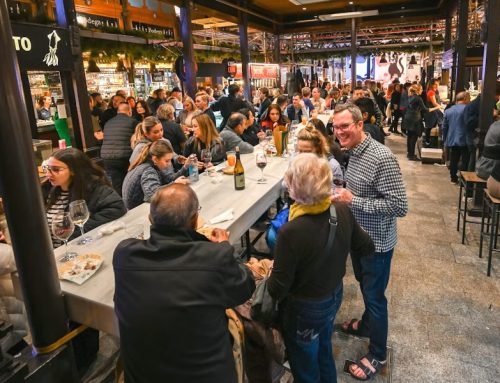

What would the interior of the bull statue look like? The plan is for the statue to be hollow, with space for lifts, staircases, and platforms that allow people to move up and through the figure. Restaurants, shops, and cultural areas at its base, means the monument would function as a colossal sculpture full of life. Tourists would be able to dine, shop, and enjoy exhibitions related to Spanish traditions.
El Molar, was the first town in Madrid to make an official bid to host the bull. Here, local authorities have suggested that a commercial and cultural district be created around the statue to attract long term visitors.
They are also convinced that it should be taller than the Eiffel Tower. But why?
Organisers believe that the reason France still attracts slightly more international tourists than Spain is due to the tower in Paris. They say, if Spain had to build the Toro de España a little higher, it could surpass France in appeal. This comparison has become central to the project’s publicity. Supporters see it as a way to compete on the world stage, while critics consider it a weak justification for such a massive undertaking.

More than thirty municipalities have expressed interest, from Burgos to Guadalajara. El Molar has taken the lead. It offered land at the entrance of the town where an industrial estate was planned decades ago but never built. Its tourism councillor says that the monument would bring jobs, investment, and prestige, and stated that even the town’s coat of arms features a bull. The visibility from the A1 motorway and even from Madrid city makes the location appealing.
The question of cost remains unanswered. A 300-metre steel structure would require billions of Euros to build, not millions, and several years of construction. The Academy insists that private investors would provide the money. Councils, however, would need to prepare infrastructure such as transport links, utilities, and services. Ownership of the land and legal permits could also complicate the project, and in some towns the available plots may simply be too small to accommodate a monument of this scale. For example, the proposed site in Burgos is much smaller than the Champ de Mars, the park that surrounds the Eiffel Tower.

Public opinion is also divided. Some Spaniards view the proposal with pride and believe the bull could become a unique emblem that boosts tourism. Others laugh at the idea or call it a waste of resources. Animal rights and anti bullfighting groups strongly oppose the project, and argue it glorifies a tradition they reject.
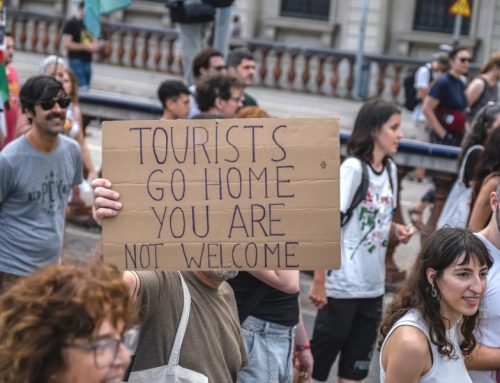
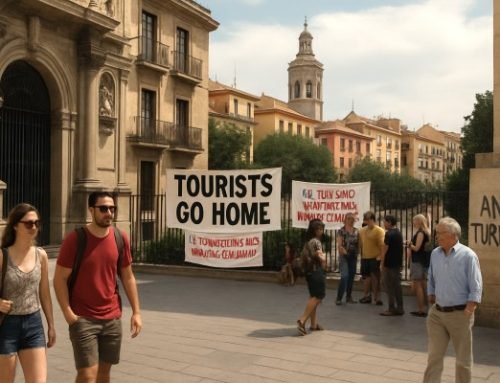
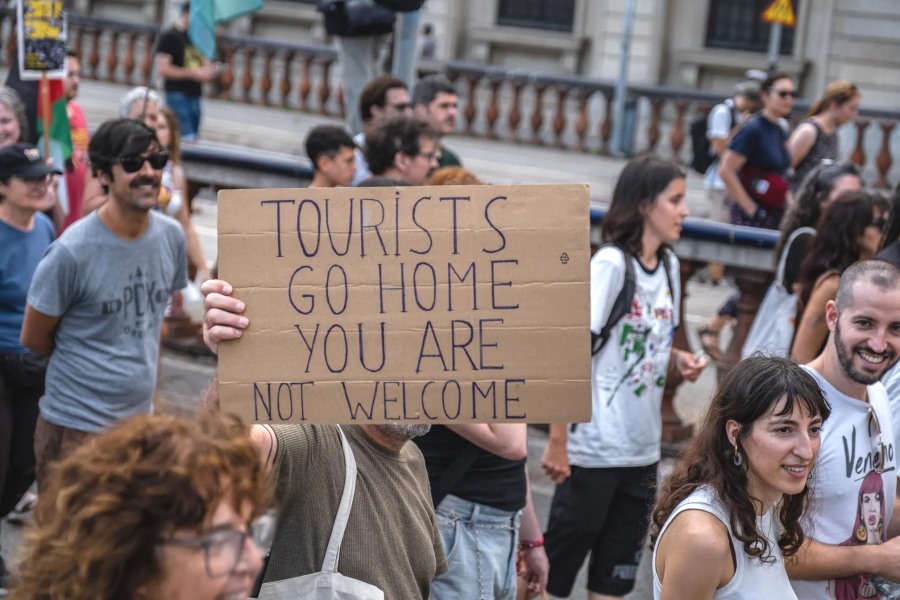
Will the Toro de España help tourism in Spain to surpass that of France? Is that even what Spain wants, considering all the anti-tourism protests of late? Could it attract millions of visitors and become one of the most photographed monuments in the world? What if the cost is too high and the crowds do not appear? For now, the idea remains a bold proposal, and a symbol of ambition.
What are your thoughts? Could this idea get wings? Maybe Red Bull could sponsor it …