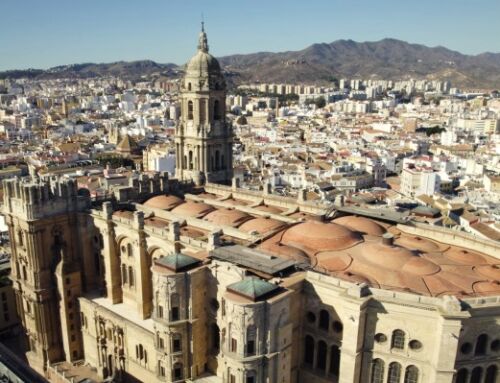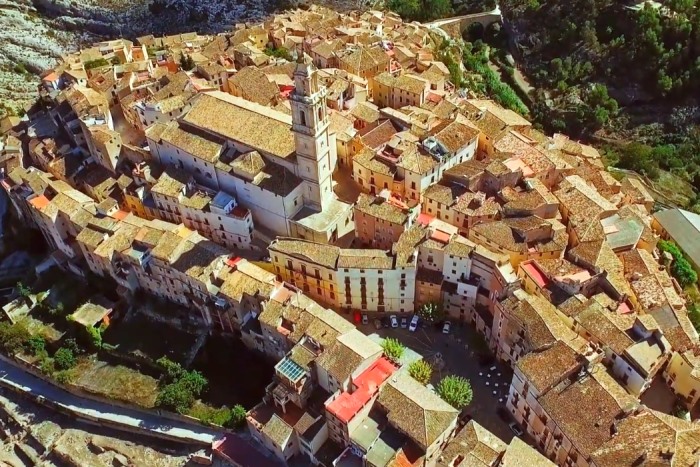




Valencia followed closely. Its size, infrastructure, and social accessibility creates an ideal environment for expatriates. Foreign residents described frequent invitations, relaxed interactions, and open cultural attitudes. Alicante showed similar strengths. Its smaller scale encourages community involvement and closer ties. Locals respond positively to outsiders, and many new arrivals found themselves included in neighbourhood activities and social circles within weeks.
Madrid also performed strongly. As the capital, it offers a wider international population and greater professional opportunities. Despite its fast pace, the city maintains a high level of social openness. Foreigners experience a mix of energy and inclusion, which supports a smooth adjustment to life in the capital. Many expatriates in Madrid report friendships with locals, participation in city life, and few cultural barriers.

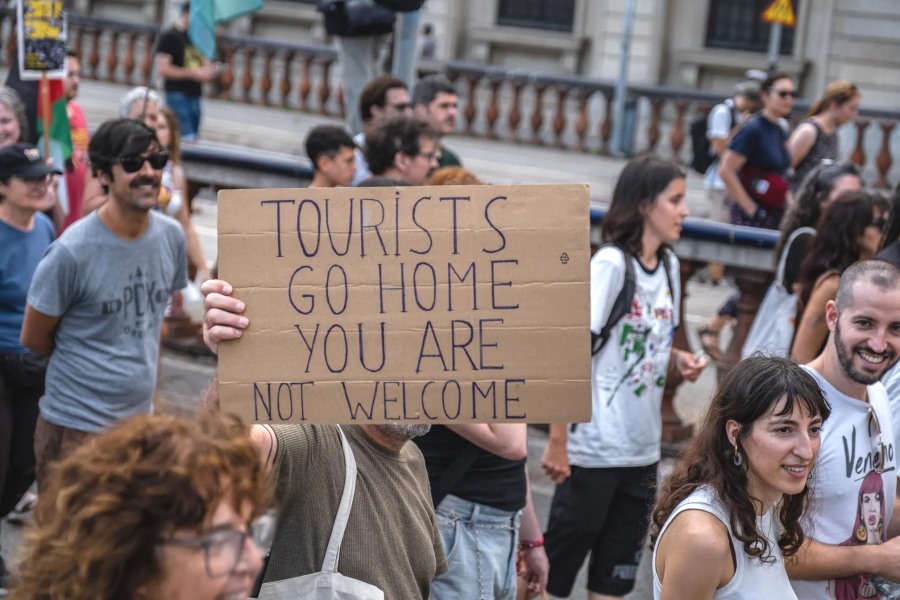
Barcelona failed to reflect the same levels of welcome. Despite its international reputation and large foreign population, the city received lower marks for friendliness, personal connection, and sense of belonging. Many expatriates described the city as closed-off. Locals appeared distant, and few people offered help or conversation to outsiders. In addition, high property prices and a more transactional urban culture created distance between residents and newcomers. Social opportunities existed, but access to meaningful relationships remained limited.
German cities performed especially poorly in this year’s index. Munich occupies last place! Foreign residents frequently cite isolation, unapproachable locals, and difficult access to social networks. Even fluent speakers reported exclusion from informal settings and neighbourhood life. Berlin, often seen as cosmopolitan and artistic, suffered from similar problems. Although foreigners feel tolerated, they often struggle to feel accepted. Social interaction tends to remain surface-level, with limited interest in deeper connections.
Hamburg and Frankfurt displayed the same patterns. Across all German cities, expatriates encountered formality, lack of warmth, and few chances to participate in the social life of their communities. Working environments proved professional, but social inclusion remained out of reach. Cultural adaptation felt slow and one-sided, with few locals willing to bridge the gap.

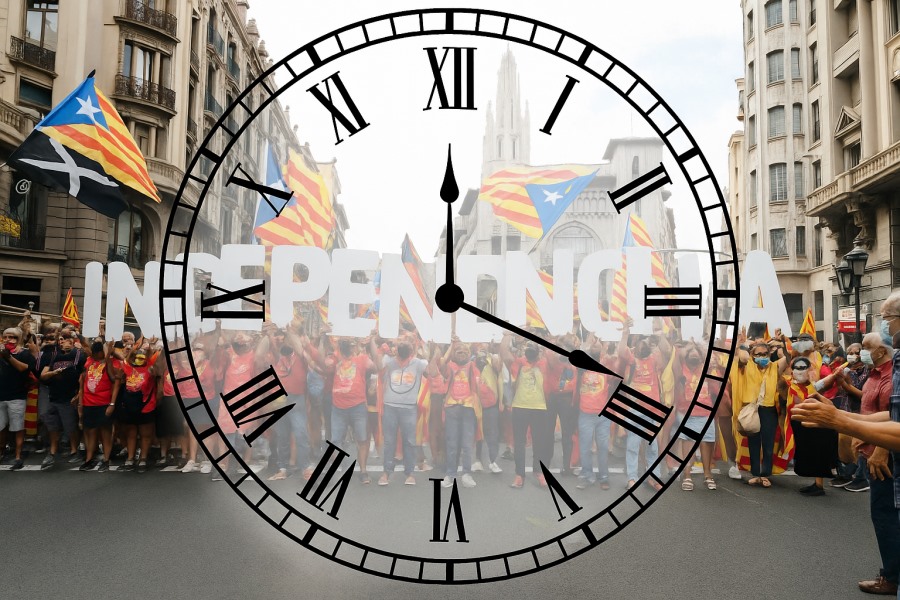

The results show a very clear message. In Spain, life as an expatriate comes with real human connection. Locals welcome new residents, show genuine curiosity, and provide social opportunities for deeper connections. Cities such as Málaga, Valencia, Alicante, and Madrid continue to attract expats not only for lifestyle, but also for the relationships they enable. In contrast, Germany’s urban centres offer economic opportunity but lack the social fabric that helps newcomers thrive and feel at home.
For anyone considering relocation in 2024, Spain offers more than sun and sea. It offers friendship, openness, and a chance to feel at home. Germany still holds appeal for career advancement, but for those who would like a more vibrant personal life abroad, they may need to look elsewhere.