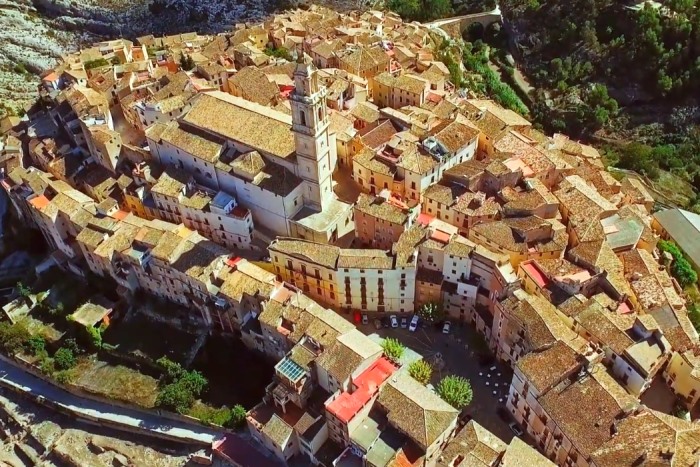



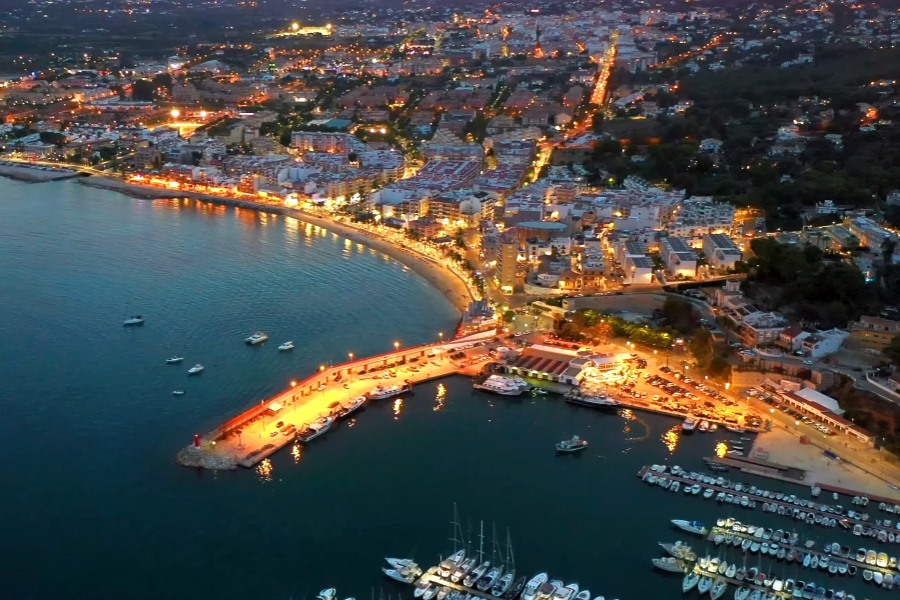
Javea Property Market Evolution (2015–2025)
Between 2015 and 2025, Javea’s property market moved from post-crisis recovery to high-growth territory. In 2015, prices hovered around €1,800–€2,000/m², after the 2008–2013 crash. Buyer confidence returned gradually, and transaction volumes rose. From 2015 to 2019, prices climbed steadily at about 5% annually, driven by low interest rates and foreign demand, especially from British and Western European buyers. By 2019, prices reached mid-€2,000s/m², and sales volumes surpassed pre-2008 levels.
COVID-19 in 2020 caused a brief sales dip, but prices held. By late 2020, demand returned sharply. Remote work and lifestyle changes led Europeans to seek coastal villas, and Javea, with its spacious homes and natural setting, became a top choice. Low mortgage rates and accumulated savings fuelled a surge. By 2022, Javea saw 1,300–1,400 transactions – 40% above 2007 peaks.
Modest growth in 2021 gave way to double-digit average house price increases in 2022–2023. Despite inflation and global uncertainty, demand remained strong. By 2023, Javea ranked as the most expensive housing market in the Valencian Community, reaching €3,300/m².
By late 2024, average prices neared €3,800/m², a 15–18% jump from the year before. Some listings in prime locations exceeded €5,500/m² by early 2025. Over the decade, home values roughly doubled. Limited housing stock and intense international demand pushed prices to record highs.
Buyer Demographics and Nationalities
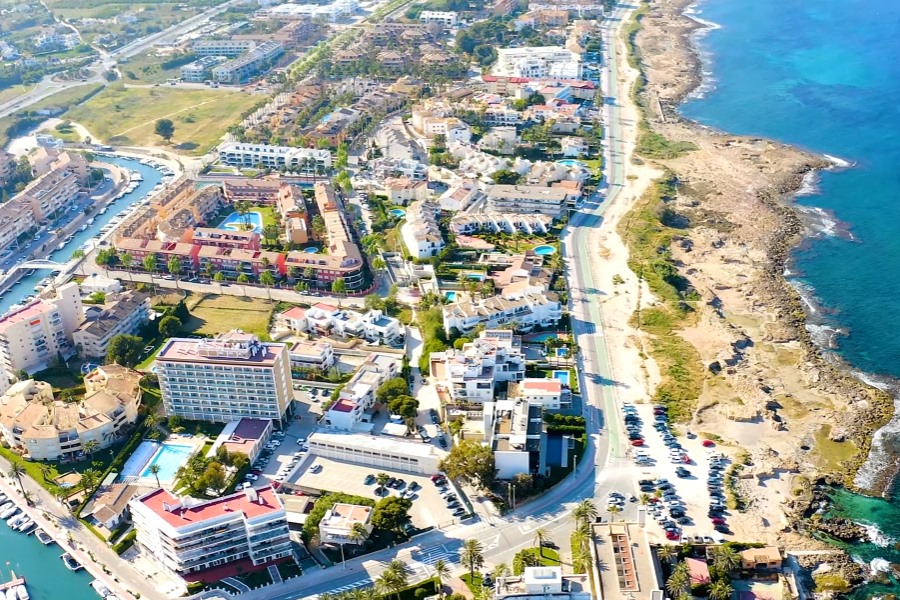
From 2015 to 2025, foreign buyers dominated the Javea property market, often representing over 50% of total purchases. This international demand heavily shaped local dynamics.
The British led foreign demand throughout most of the period. Between 2016–2020, demand dipped slightly due to currency drops and Brexit concerns. Some older British owners sold. By 2021, British demand rebounded as buyers adapted via non-lucrative and Golden Visa routes. By 2024, the British remained a top nationality. They now focus more on holiday and retirement homes rather than full-time relocation. Preferred areas include Arenal, Port, Tosalet, Cap de la Nau, and Montgó.
Northern Europeans became increasingly important. Dutch and Belgian demand surged after 2017, sometimes exceeding British volumes. These buyers often target high-end properties and contribute to local business. Germans, while traditionally active in the Balearics, showed growing interest in Javea due to its upscale, relaxed lifestyle. French buyers chose Javea for its lower prices and year-round appeal, especially retirees and young families.
Scandinavian Buyers increased their presence during the 2020s, drawn by climate, safety, and quality lifestyle. Though less numerous, they often purchase luxury villas or sea-view apartments. Most come from Sweden, Norway, Denmark, or Finland, and often relocate for work-life balance or retirement.
Buyers from Poland, Romania, and the Czech Republic appeared by the mid-2020s. In addition, Americans and Canadians, encouraged by the digital nomad visa and currency shifts, began to ‘discover’ Javea. Russian buyers largely disappeared due to sanctions and visa barriers.
Buyer Profile
Most foreign buyers are aged 50+, and look for retirement or second homes. Many use cash or foreign financing, to avoid Spain’s more complex mortgage system. Industry estimates suggest 80–90% of high-end transactions are cash purchases. Post-2020, younger buyers (30s–40s) entered the market, often for relocation or remote work. These tech-savvy, lifestyle-focused buyers came from Northern Europe and chose Javea for its climate, safety, and broadband.
Market trends now respond more to global than national factors. Foreign buyers remain the backbone of Javea’s real estate market, especially as they have larger budgets than national buyers.



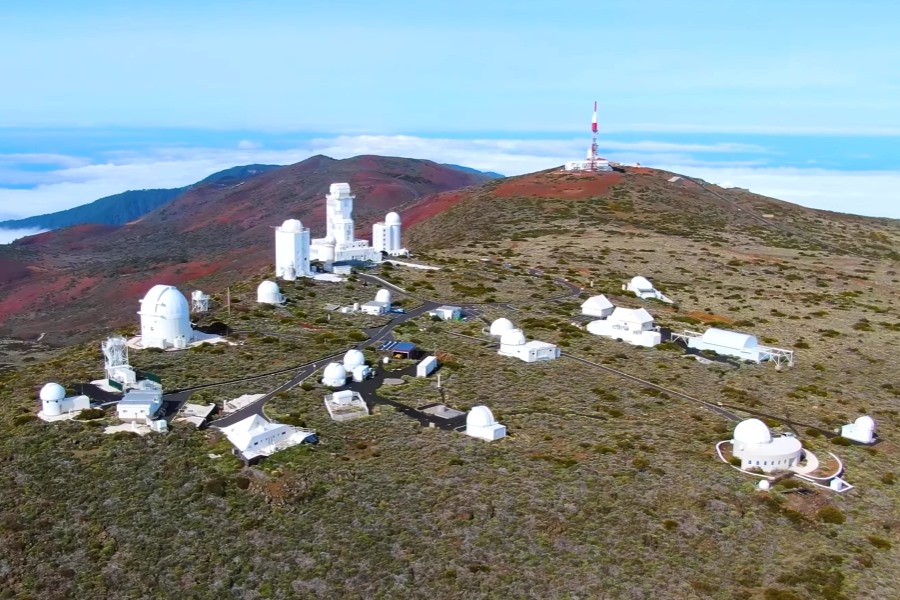
Javea’s Most Requested Property Types
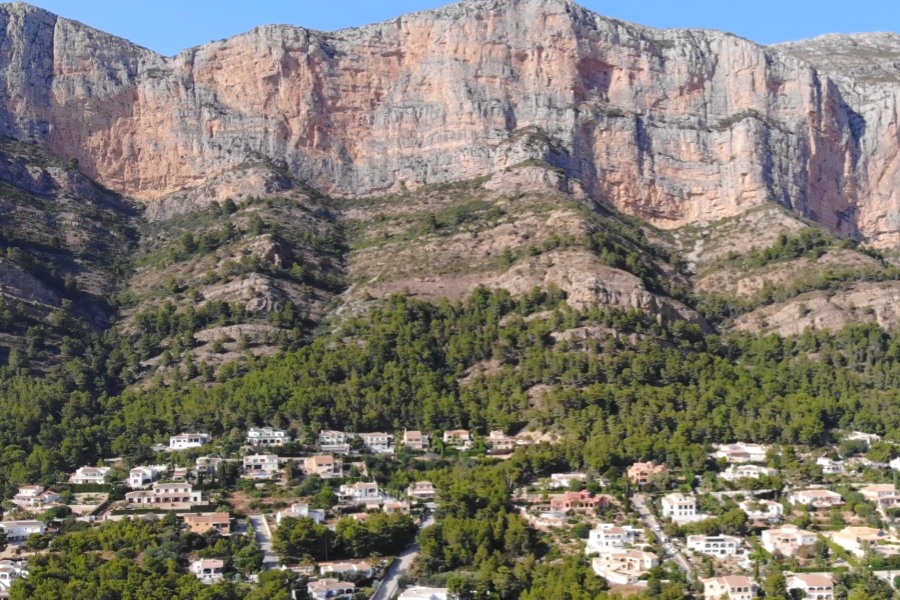
Javea remains villa-dominated, with detached houses accounting for most high-end sales. Apartments in the Arenal, Port, and Old Town areas, appeal to buyers with lower budgets or seeking lock-and-leave properties.
Resales dominated from 2015 to 2025, and formed 80–90% of all sales. New builds remained limited due to land and zoning constraints. Still, a few trends emerged:
- New villas with modern architecture appeared in areas like Portixol, La Corona, Monte Olimpo, and Villes del Vent. Features included infinity pools, glass façades, and open-plan living.
- Modern low-rise apartment blocks between the Arenal, Port, and Village offered energy-efficient designs, underground parking, and communal pools. Supply remained tight, with fast off-plan sales.
- Small-scale projects like Monte Olimpo and Cansalades Park introduced new plots. These catered to developers who targeted foreign clients with modern designs.
- Outside Javea, La Sella added luxury apartments with resort services, and still draws interest from Javea-focused buyers.
Design & Features:
Buyers opted for modernised villas with upgraded interiors. Many older homes underwent renovation to meet expectations (double glazing, underfloor heating, open kitchens, eco and sustainable). Contemporary new builds featured minimalist design, solar panels, and high energy ratings. White façades, natural stone, and home automation became standard. Demand in small developments and apartments rose for community features (gated layouts, gyms, spa areas, concierge services).
Development Limits:
Javea applies strict building rules. The General Plan and environmental protections (Montgó, Granadella) block high-density growth. Water and road capacity further restrict expansion. These constraints preserve the town’s low-rise character and help maintain property values.
Outlook:
By 2025, resale villas held the majority share, but new builds set design and price benchmarks. Looking ahead to 2030, the market will reward high-spec, energy-efficient homes with bright relaxing work spaces, and outdoor recreational areas. Buyers and investors should recognise the land scarcity, renovation value, and consistent demand for villas when making their next move in Javea.
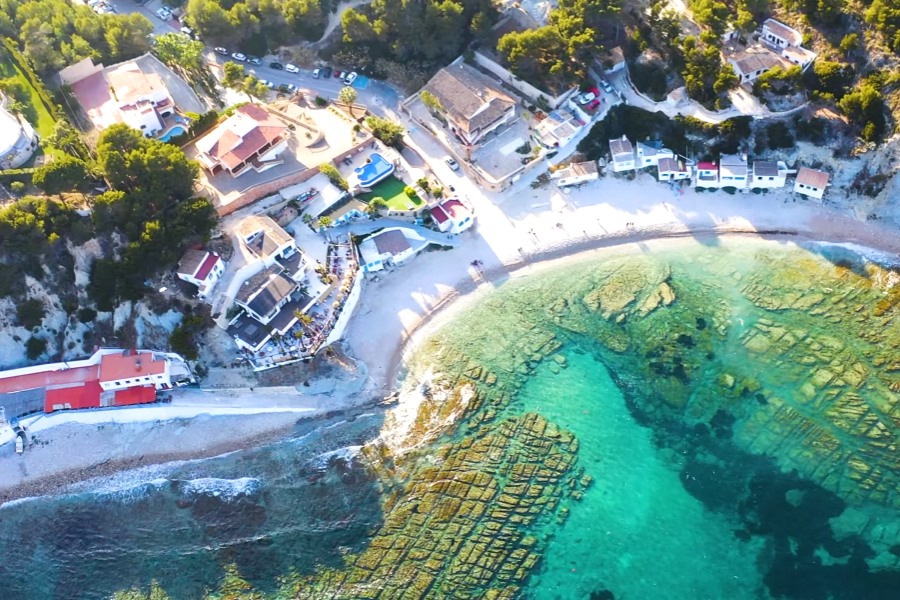
Most Requested Features and Amenities in 2025
Buyers in 2025 focus on lifestyle quality, energy efficiency, and turnkey convenience. Certain home features dominate buyer wish lists in Javea.
Sea views top all requests. Homes facing the Mediterranean, especially south or southeast, command higher prices. Buyers prioritise light-filled properties with sunlight in winter over other features.
Villas with private pools are nearly non-negotiable. Infinity pools, terraces, BBQs, and gardens all enhance appeal. Apartments with large terraces or rooftop space attract much stronger demand than those without. Low-maintenance gardens with Mediterranean plants and irrigation also add value.
Homes with solar panels, heat pumps, underfloor heating, and A/B energy ratings stand out. Buyers also seek smart home systems, remote access security, and fibre-optic internet, which is crucial for remote workers and digital nomads.
Buyers prefer open-plan layouts with fitted kitchens, islands, built-in appliances, and modern bathrooms with quality walk-in showers. Most expect homes ready to move into, avoiding immediate renovations.
Important: Post-2020, remote work increased demand for dedicated office space. Buyers want extra rooms, studies, or adaptable areas with good Wi-Fi and mobile coverage.
There are growing requests for apartments within walking distance to amenities. Areas like Arenal or the Port, where daily life doesn’t require a car, see high demand. Walkable locations offer convenience, especially in peak tourist months.
A lot more interest in single-level layouts. Simple, easy-care designs, like gravel gardens, indigenous plants, and tiled terraces, appeal to those seeking minimal upkeep.
Luxury buyers look for extras like guest suites, gyms, spa areas, outdoor BBQs kitchens and recreation areas, expansive terraces, and smart home technology.
In summary, today’s buyer wants sea views, modern comforts, energy efficiency, and convenience. What was a luxury 10-15 years ago (like A/C or double glazing) is now a baseline. Properties that match these expectations generate more leads, sell faster and fetch higher prices.
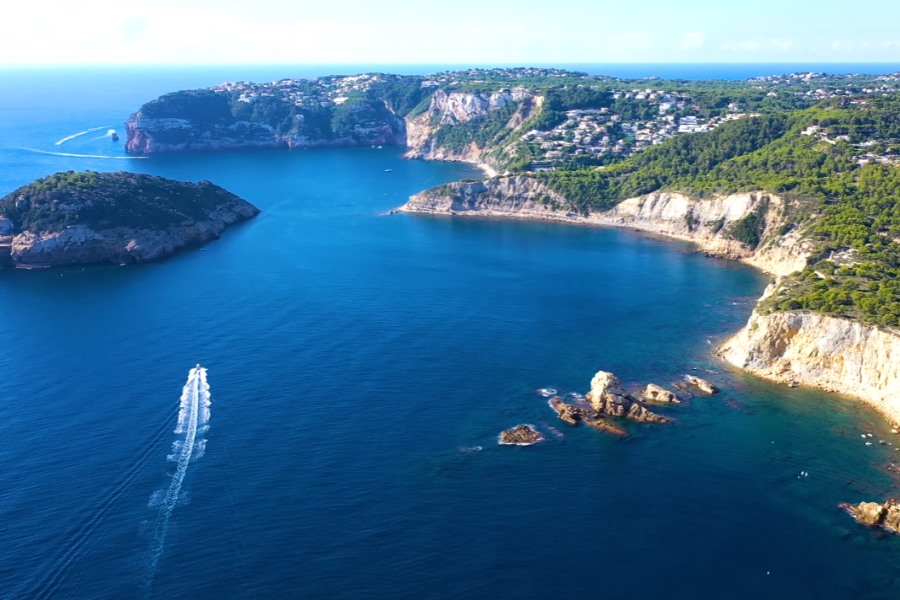
Javea Rental Market Analysis: Short-Term and Long-Term
Javea’s rental sector offers strong income potential, especially for short-term holiday lets. Demand spikes in summer, with occupancy near 100% in July and August. Mid-season months (May, June, September) also remain busy, especially among Northern European visitors. Weekly rates in summer range from €700–€1,500 for apartments near the Arenal, and €1,500–€3,500 for villas with pools. Owners that invest in marketing can achieve 5–7% gross yields annually, provided they adjust prices during the off-season. There has been a steady increase in winter lets in the last few years, which further supplements holiday rental income.
Rental licensing remains mandatory in Javea. Properties must meet standards and appear on the tourism register. Enforcement has tightened since 2015, and fines target unlicensed rentals. Agencies often handle paperwork, and most investors see registration as routine.
Long-term rentals are scarce. Expats, digital nomads, and some locals drive demand, while limited supply keeps prices high.
In 2025:
2-bed apartment near Arenal/Port: €900–€1,500/month
3-bed modern apartment/townhouse: €1,400–€2,300/month
Villas: €2,000–€3,500/month depending on location and views
Long-term rentals typically offer 4–5% gross yields. A few owners have returned to long lets, preferring stable income, less bureaucracy, and less wear-and-tear.
Rental Hotspots by Area:
Arenal is a short-term zone with near-full occupancy in summer. Popular with expats year-round, though summer crowds may deter some.
Javea Port draws summer guests, while the Old Town appeals more to long-term tenants due to authenticity and walkability.
Montgó, Tosalet, Cap Martí are the Summer villa rental hotspots. Long-term tenants include retirees and remote workers who drive.
Managing short-term rentals requires effort or agency help, and usually costs 15–30% of income. Javea’s rental market tends to reward strategic investors with hybrid models (holiday lets in summer, monthly lets in winter). For long-term lets, Spanish rental laws favour tenant stability, so landlords often target foreign tenants or seasonal residents.
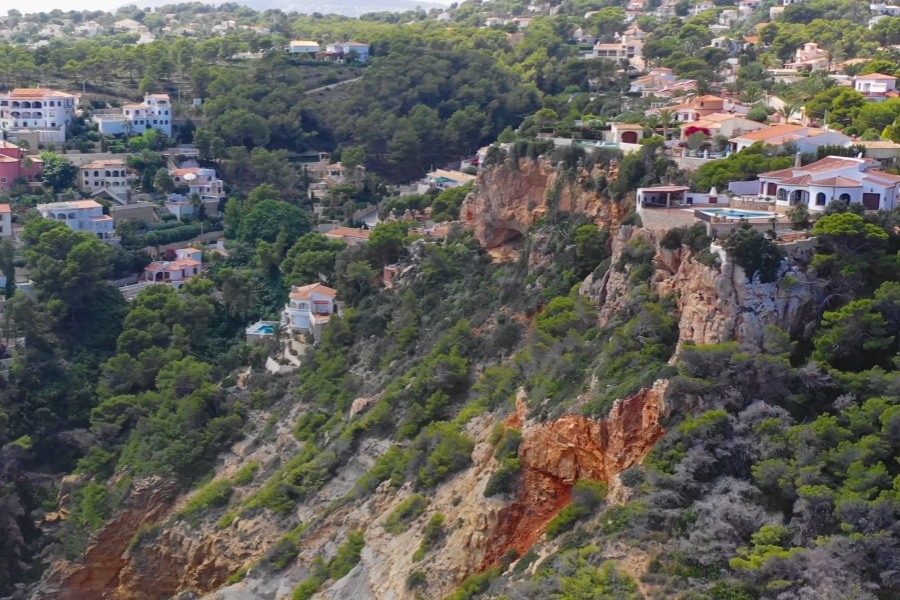
Surrounding Areas That Ride Javea’s Wave (with 2025–2028 Forecast)
Jesús Pobre is a tranquil village on Montgó’s western slope, and only 10 minutes from Javea. It attracts expats seeking peace and lower prices (often 25–40% below Javea). Hiking, cycling, and rustic fincas appeal to niche foreign buyers.
Limited development keeps supply tight, supports price stability.
Gata de Gorgos offers significantly cheaper homes—townhouses, apartments, and country properties. Expat interest remains modest but has grown in the last few years. Demand has grown with Javea’s service economy.
Anticipate steady price increases as affordability attracts more buyers. Improved infrastructure and easy access to the AP7 motorway are big drawcards.
La Sella Resort with an 18-hole golf course, luxury hotel, spa, and equestrian center, straddles Denia and Pedreguer. It offers a secure, upscale lifestyle near Javea and attracts retirees and second-home buyers. Prices fall below Javea prime zones but remain mid-to-high. New builds and gated communities saw increased foreign interest from 2015–2025.
Inland towns like Pedreguer and Ondara, are now more accessible due to the toll-free AP-7. They attract bargain hunters seeking space and privacy near Javea. Prices remain much lower, but interest has grown.
Improved accessibility will enhance appeal. Expect gradual price increases as more buyers seek affordable alternatives.
Javea’s Real Estate Sales Cycle and Buyer Behaviour
From 2015 to 2025, Javea’s sales cycle shortened significantly. In the mid-2010s, high-end properties often stayed on the market 6–12 months. By 2022–2024, well-priced villas sold in weeks or a few months. Properties in prime locations with sea views or modern finishes attracted bidding interest. Overpriced or outdated homes still lingered.
Negotiation margins shrank from 5–10% (2015–2017) to 3–5% by 2023. Many homes sold near or at asking price. Low offers often failed, especially with competition. Sellers preferred clean deals, cash buyers, or those with mortgage pre-approval.
Buyer behaviour evolved post-2020. Virtual tours and remote deals rose. Buyers now arrive with finances in place, ready to move quickly. Reservation deposits secured properties early.
Nationality differences remained visible. British and German buyers negotiated more, while Dutch and French paid closer to asking for location. Of interest: More buyers used agents or companies to purchase as investments.
Interest rate hikes in 2023 cooled demand slightly, especially for financed buyers. Cautious offers returned in middle-price segments, though prime properties still moved quickly.
Seller confidence increased. Many listed ambitiously, testing buyer appetite. Overpriced homes saw price cuts after 3–6 months. Many sellers often timed sales to capitalise on strong prices in 2022–2024.
After-sale trends showed buyers launched renovations or rentals almost immediately. There was a notable shift from the traditional retire-and-use-as-is model to modernise for personal use or holiday rentals.
Javea’s sales cycle now rewards preparedness. Buyers benefit from speed, clarity, and fair offers. Sellers gain by pricing realistically and presenting properties well. The market operates faster and more confidently than it did a decade ago.
Javea Property Market Forecast to 2030
Javea’s market outlook remains positive through 2030, with steady rather than explosive growth expected. After rapid post-COVID price rises, future gains may slow to 3–6% annually. Prices could increase by 10–20% by 2030, reaching €5,000–€5,500/m² on average, and over €6,500/m² in prime zones.
Foreign demand will continue to dominate. Retirees and relocators from the UK, Belgium, France, Netherlands, and Scandinavia drive much of this demand, supported by word-of-mouth and lifestyle appeal. Remote workers and digital nomads may also grow in number, especially younger buyers from Europe and North America. New residency options (e.g., Digital Nomad Visa) will support this trend.
Risks include
- High interest rates
- Economic downturns in buyer origin countries
- Regulatory changes (e.g., higher taxes or rental caps)
- Rental Licence freezes
New supply will stay limited. Controlled development, zoning protections, and land scarcity will support values. Surrounding zones like La Sella, Gata, or Benitachell may absorb some demand. Large-scale building remains unlikely.
Rental demand will rise. More retirees and remote workers may rent first. With more demand and less supply, gross yields should improve, especially in modern homes with premium features.
Forecast Summary:
- Strong long-term fundamentals
- Moderate price growth
- Persistent international demand
- Limited new supply
Strategic investors should prioritize build quality, location, and legal clarity. Javea’s shift to a mature, global market supports long-term investment confidence.
If you would like to keep up to date with real estate news in Spain then visit our home page, CBSage.com, regularly. You can also see more of our property market reports here. (Click the flags at the top right for your preferred language.)