


Calpe Property Price Trends (2015–2025)
Calpe’s property prices have followed an upward trajectory from 2015 through 2025, with a few distinct phases. In the mid-2010s, the market was emerging from the previous decade’s crash. 2015 marked the bottoming-out and start of recovery, and average home values were around €1,800 per square meter at that time. From 2015 to 2019, prices rose steadily each year, roughly on the order of 3–6% annually.
By late 2019, the average price per square meter in Calpe had surpassed the €2,000 mark, and had reclaimed much of the ground lost during the 2008–2013 downturn. This period was characterized by a confident return of buyers and a gradually tightening of supply, but price growth remained measured rather than explosive. The first notable interruption came with the 2020 pandemic. During the spring 2020 lockdown, real estate activity froze, and some sellers trimmed their asking prices amid uncertainty. This resulted in a brief dip in recorded transaction prices, however, the downturn was short-lived.
By summer 2020, pent-up demand (both local and international) brought stabilization, and by early 2021 the market was rallying again. From 2021 onward, Calpe experienced a sharper upswing. Renewed foreign buying interest after lockdowns, combined with a desire for lifestyle-oriented homes, led to price spikes in 2021–2022. Annual price growth achieved high single digits during this period.
While Europe saw both rising inflation and rising interest rates in 2022–2023, Calpe’s prices kept climbing, and average prices breached €3,000 per square meter according to listing data. Limited inventory, especially in prime locations, solidified values. Beachfront and sea-view apartments showed the most pronounced increases, with properties along Playa de la Fossa (Levante Beach) and Playa del Arenal-Bol becoming hot commodities. For example, a front-line two-bedroom apartment might have sold for €250,000 in 2015 but could easily exceed €400,000 by 2025.
By late 2024 and into 2025, the Calpe market hit record highs. Average asking prices by spring 2025 were in the mid-€3,000s per square meter (with upscale listings often far above that). Some seafront developments even achieved €5,000+ per square meter for new luxury units – territory that would have seemed very ambitious only a few years prior.
Calpe’s price evolution has been one of sustained growth, punctuated by a couple of external shocks, but ultimately driven by consistent demand and the area’s inherent desirability.

Calpe’s Buyer Demographics & Behaviour
One of the most striking changes in Calpe’s property scene in the last decade has been the shift in the mix of foreign buyers. Ten years ago, British buyers were the clear dominant force in Calpe, followed closely by German buyers, and then other Europeans (such as the Dutch, Belgians, and some French).
Calpe, like much of the Costa Blanca, has long been a favourite for UK and German retirees and holiday-home seekers. In the mid-2010s, these two nationalities often accounted for a large share of foreign property purchases. British influence is still significant in 2025, but it has diminished in relative terms, and partly due to Brexit and a weaker pound. Germans, meanwhile, have seen an even more noticeable pullback in presence. Rising prices in Calpe have priced out some German retirees who traditionally sought value. Areas like Maryvilla that were traditionally German are now transitioning to a more diverse, Northern European mix, led by Belgian, Dutch, and French buyers, with growing interest from Eastern Europe and affluent Spaniards.
Belgian and Dutch, in particular, have risen to prominence. These buyers are often attracted by Calpe’s mix of good prices (relative to more famous Spanish resorts), quality infrastructure, and vibrant year-round life. By the early 2020s, Dutch and Belgian buyers became some of the most active clients for local agencies – a notable change from 2015 when they were a smaller segment. Their budgets and preferences (often seeking modern apartments or villas with sea views) have influenced the market, encouraging more upscale developments to cater to them.
Other European groups have also become more visible: French buyers have consistently shown interest, and lately Scandinavian and Eastern European buyers (for example, Polish and Romanian investors) have increased, adding to the diverse tapestry of Calpe’s clientele.
Another evolution has been in buyer behaviour and lifestyle requirements. In 2015, the majority of foreign buyers saw Calpe only as a holiday destination, and many homes were pure second residences or rental investments. By 2025, lifestyle changes and remote work trends sees more buyers settling in Calpe for extended periods. These long-stay residents have different requirements in a home, needing more outdoor space and work-at-home setups.
Overall, the buyer profile is more varied today, and their intentions for their Calpe homes are more oriented to living rather than just vacationing. This broadening of nationalities and lifestyles has helped grow the local economy and made the market more resilient. Calpe’s property market is no longer seasonal or reliant on just one or two countries, it benefits from both the holiday-home market and the relocation market simultaneously.
Buyer Requirements and Preferences
From 2015 to 2025, buyer expectations in Calpe have become significantly more demanding. A decade ago, many were satisfied with older resale properties in good locations, even without modern amenities. Today, buyers prioritise comfort, style, and features that align with international standards.
Sea views and beachfront access have become top priorities. Apartments in areas like Playa de la Fossa and Arenal-Bol are especially sought-after, with frontline homes commanding much higher prices than those even slightly inland.
Modern finishes and smart features are now expected, especially among Northern European buyers. Outdated kitchens or lack of air conditioning are dealbreakers. High-speed internet, efficient heating/cooling, and smart-home technology are increasingly standard in both new builds and renovated resales.
Buyers also favour lifestyle-focused developments with pools, parking, lifts, and shared amenities like gyms or rooftop terraces. Even apartment buyers expect a resort-style experience, not just a place to stay.
Style matters more than ever. There is a strong shift toward open-plan layouts and contemporary Mediterranean design with plenty of light, neutral colours, large windows, and functional spaces. Homes that reflect these trends tend to sell faster and attract more interest. Properties without these features may require updates or price reductions to compete.




New Build vs Resale Trends
Since 2015, Calpe’s balance between new builds and resale properties has shifted significantly. In the early and mid-2010s, new construction was rare, developers were cautious after the previous crash, and most sales involved older apartments or resale villas. Buyers mainly focused on renovating resale properties.
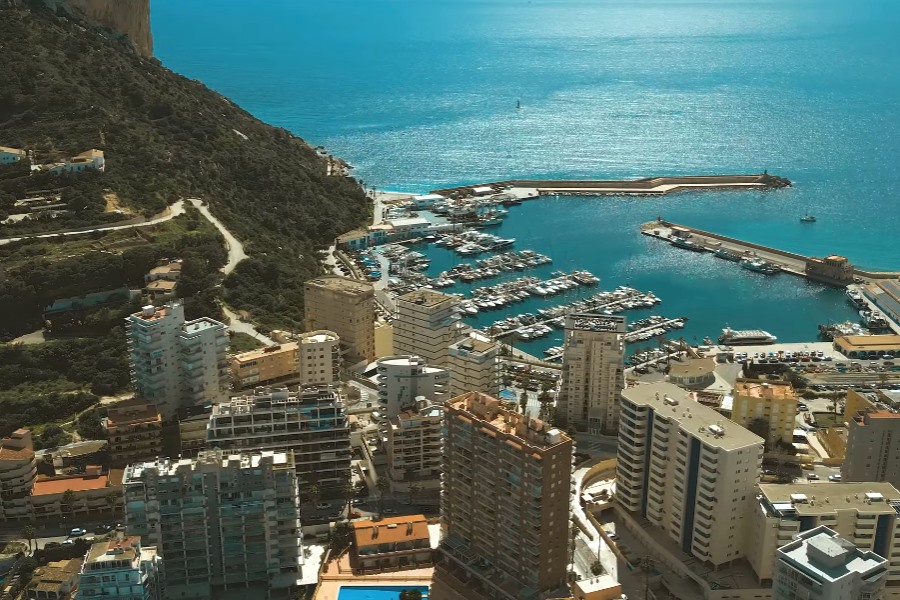
From 2017 onward, confidence returned, and by the early 2020s, Calpe saw its most active development phase in more than a decade. Between 2020 and 2025, cranes reappeared, especially near the beaches and town centre. High-rise apartment towers emerged along Avenida País Valencià, Avenida de Rumanía, and Calle Finlandia, with modern units offering sea views, high spec finishes, and premium amenities.
These new builds cater to buyers seeking turnkey homes with high-speed internet, energy efficiency, and luxury features. Sales have been strong, especially off-plan, indicating solid market confidence.
While still more numerous, older homes often require updates to compete with the new build market. Renovated and well-priced resales sell quickly, but dated homes may sit unless significantly discounted or improved.
By 2025, Calpe offers a wider choice between new and resale than ever before. The town is evolving into a blend of classic architecture and modern towers. Development has remained balanced, avoiding oversupply while meeting buyer demand for modern coastal living.
Calpe Rental Market Overview
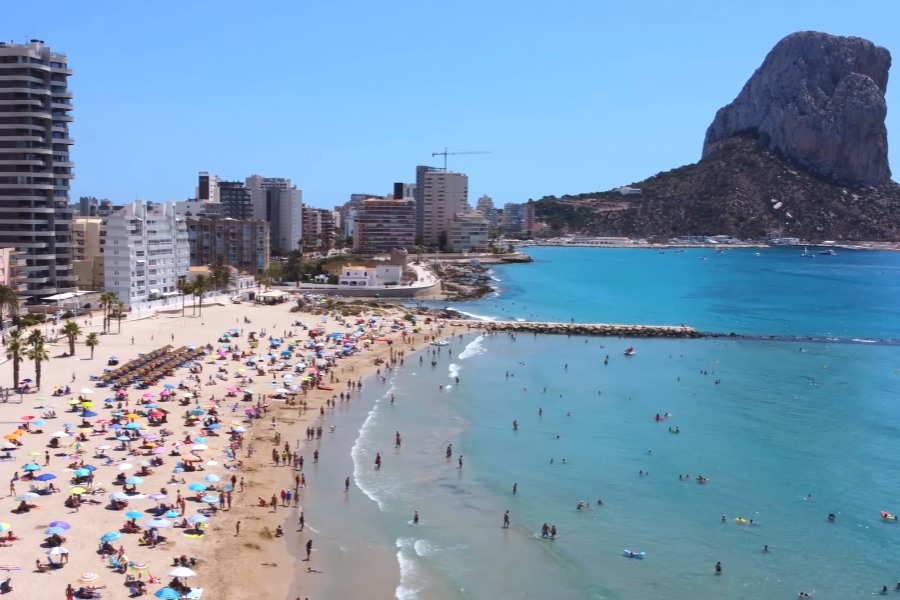
Calpe’s rental market grew rapidly from 2015 to 2025, driven by tourism and year-round appeal. It splits into two key segments: short-term holiday lets and long-term rentals.
From 2015–2019, holiday rentals surged thanks mostly to online platforms. Properties near Playa de la Fossa and Arenal-Bol were in high demand, and offered strong returns. The 2020 pandemic paused activity, but recovery was quick, and by 2021–2022, demand returned, driven by Europeans seeking coastal escapes and flexible work setups. The landlords who made modern upgrades to properties were usually in a stronger position to attract broader demographics, and greater returns.
Calpe’s lenient licensing policy has also kept it investor-friendly. Unlike nearby towns, it still remains relatively easy to register tourist lets, and this encouraged strong short-term rental activity and supported property values in central and beachfront areas.
Demand for long-term rentals has grown significantly. More year-round residents, including digital nomads and retirees, have strained supply. By 2025, quality rentals are difficult to find, and average rents have risen to around €1300/month for a 2-bed apartment.
Although Spain’s 2023 Housing Law introduced rent caps in high-demand areas, Calpe has not been classified as a ‘stressed zone’—meaning the tourist rental market remains open and unrestricted, at least for now.
In summary, Calpe offers a strong rental proposition: flexible short-term letting options and rising long-term demand. While future regulations may introduce moderate limits, current conditions continue to support healthy yields and investor interest.
Year-by-Year Real Estate Market Trends (2015–2025)
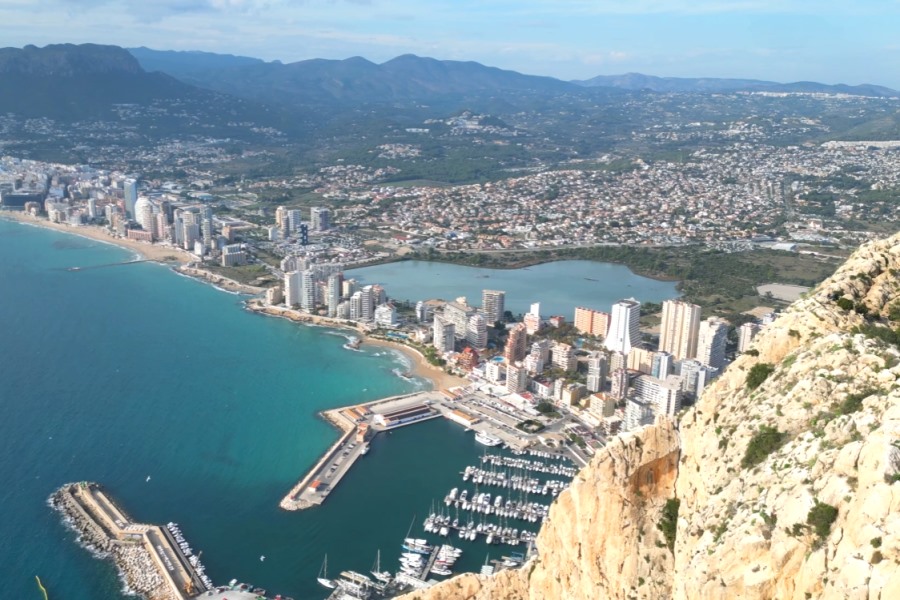
2015 – Calpe’s market begins to recover from the crisis, with prices around €1,800/m². Foreign buyers return, mainly British and German. New builds are rare, but confidence grows.
2016 – Brexit jitters don’t slow UK demand much. Prices rise 4–5%. Foreign purchases peak across Costa Blanca. Developers start preparing new projects.
2017 – Northern European demand surges. Sales and prices continue climbing (+5%). First major new builds begin, and cranes reappear across Calpe.
2018 – Steady growth continues (+5–6%). Foreign buyers make up nearly 40% of all purchases. The Golden Visa draws in some high-end non-EU buyers. Tourism hits a new high.
2019 – Prices near €2,100/m². A Brexit rush boosts late-year sales. A new mortgage law (increased transparency and consumer protection) boosts buyer confidence. Construction picks up, though still limited.
2020 – COVID halts sales briefly. Some price drops occur (~5–10%), but recovery is swift by summer. Remote work trends increase interest in Calpe’s lifestyle.
2021 – Travel reopens and demand surges. Prices jump 6–8%. Homes with outdoor space are especially prized. The market becomes highly competitive.
2022 – Inflation and Ukraine war dominate headlines. Interest rates rise, cooling some domestic demand. Foreign buyers remain active. Prices grow another 8%. More new high-rises launch in Calpe.
2023 – Price growth slows to 4–5%. Mortgage-dependent buyers hesitate. Belgian and Dutch buyers now outpace the British. New housing law introduces rental rules, but Calpe remains lenient.
2024 – New price records are set (mid-€3,000s/m²). Beachfront homes see double-digit growth. A new bypass road (N332 around Benissa) improves town access. Calpe continues issuing tourist licenses, fuelling investor confidence.
2025 – Prices up another 10–12%. The termination of the Golden Visa has little local impact. North American interest rises. The market is healthy but more cautious, with stable demand and limited supply underpinning values.
Calpe Real Estate Forecast for 2025–2030
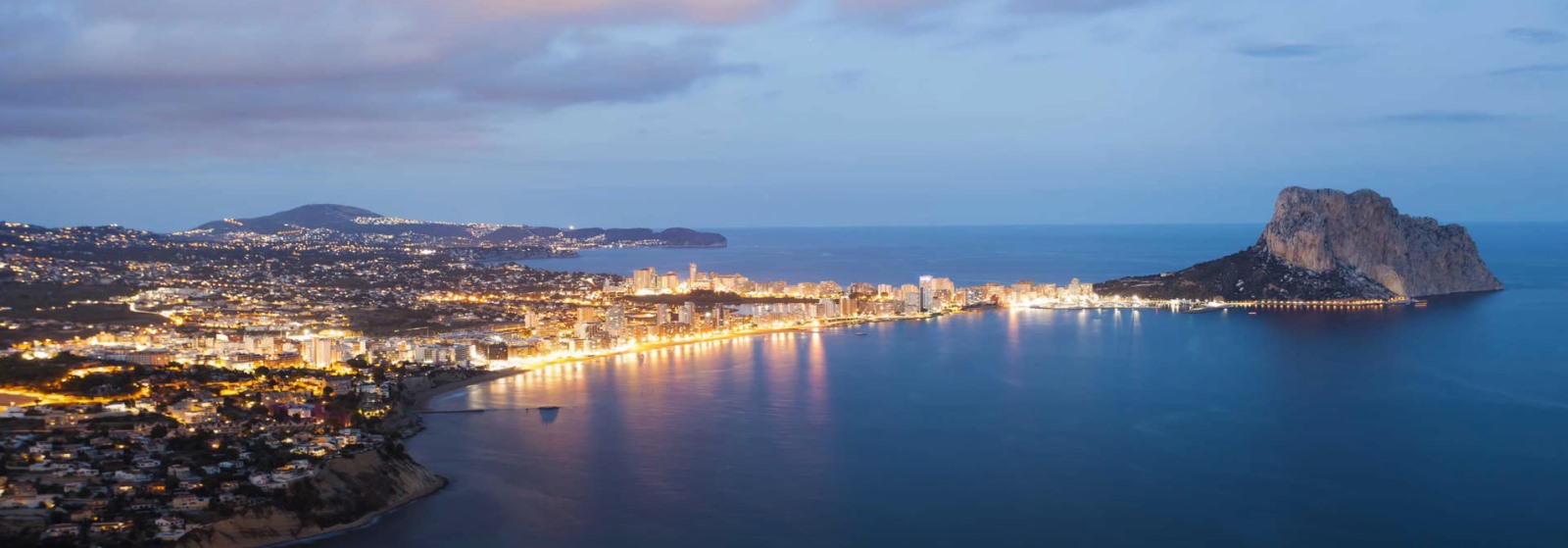
Calpe’s property market is set for steady, sustainable growth rather than dramatic spikes. Annual price increases of 4–7% are expected, potentially raising values 15–20% by 2028. Demand is likely to remain strong in prime areas, and new developments will help ease supply pressure but not cause oversaturation.
International buyers will continue to drive the market, particularly from Belgium, the Netherlands, and Scandinavia. British interest should remain, though below pre-Brexit levels. Growing numbers of Eastern European buyers and a modest increase in North American demand (supported by Spain’s Digital Nomad Visa) could further diversify the market. If interest rates continue to drop through 2026, more domestic buyers may re-enter, especially from Madrid and Valencia. Calpe remains more affordable than Marbella or Mallorca, making it attractive to middle- and upper-class Spanish families.
New builds planned through 2027 (such as projects on Av. País Valencià, Arenal-Bol, and Playa de la Fossa) will introduce modern apartments to a market that once lacked supply. These units are in high demand and sell well, often off-plan. Land scarcity will limit future construction, and likely shift focus to redevelopment or inland boutique projects.
Infrastructure improvements will enhance Calpe’s appeal. Local road upgrades, cleaner beaches, and the modernized TRAM line from Alicante to Dénia will all boost accessibility and quality of life. New businesses and amenities are also expected to follow a more affluent resident profile, feeding a cycle of value growth.
Buyer sentiment remains positive but cautious. Premium properties with sea views or modern features will still see strong demand. Risks include macroeconomic instability, currency shifts, or future rental restrictions, though Calpe’s current policies remain investor-friendly.
In short, Calpe’s outlook through 2030 is strong. Growth will likely be measured and stable, supported by real demand, rising quality standards, and continued international appeal. The town is well-positioned to remain one of the Costa Blanca’s most desirable locations.
If you would like to keep informed about real estate news for the Costa Blanca then you can bookmark our home page. You can see more of our costa blanca property market reports here.