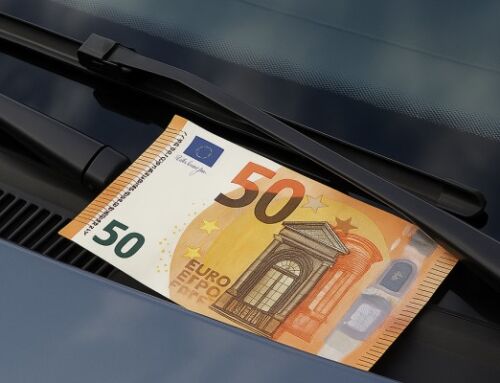



Authentic fines always include the vehicle’s registration number, make, model, exact location, and an official barcode; they will never have a QR code. They use official printed ticket paper, while the fraudulent version usually comes on ordinary white paper without vehicle details. Real fines also display clear instructions on how to pay – usually via channels such as authorised ORA pay points, the official city website, or designated banks. A fake ticket typically lacks the payment details, and substitutes them with a QR code.
Never scan a QR code found on a paper parking fine stuck to your windscreen. If a parking ticket appears suspicious, it’s best to verify directly with the local police, the town hall, or the ORA service before you pay anything.

Those who have already scanned a fake QR code and entered bank card details must act immediately. Contact the bank to block the card and monitor for unauthorised transactions. Filing a report with the police helps strengthen the investigation and might assist with recovering lost funds.
The scam has expanded beyond Alicante, and is now being used in cities and coastal towns across Spain. Foreign residents, tourists, and elderly drivers are popular targets because they may not know how local parking enforcement works. Local authorities in Spain confirm that no genuine parking fine uses a QR code for payment. Instead, fines always rely on barcodes, reference numbers, and official pay stations.
Drivers should remind family members and visitors about these basic rules. Share these updates within expat groups and neighbourhood associations to prevent more people from falling victim. If someone finds a suspicious fine, they should keep it as evidence and report it to the nearest Local Police station or municipal Mobility Department. Most councils have already instructed parking wardens to remove counterfeit fines if spotted during routine patrols.



Official parking payment apps like Telpark and ElParking remain safe if used directly from the Google Play Store or Apple App Store. Scammers sometimes create fake lookalike apps or websites, so it’s best to check that the app comes from a verified source to prevent accidental downloads of malicious software.
In Spain, these frauds continue to spread as criminals test new tricks. However, public knowledge and quick reports on social channels limit their success. For now, knowing how to distinguish a genuine fine from a fake one and acting promptly if tricked keeps drivers’ data and money safe.